

Description
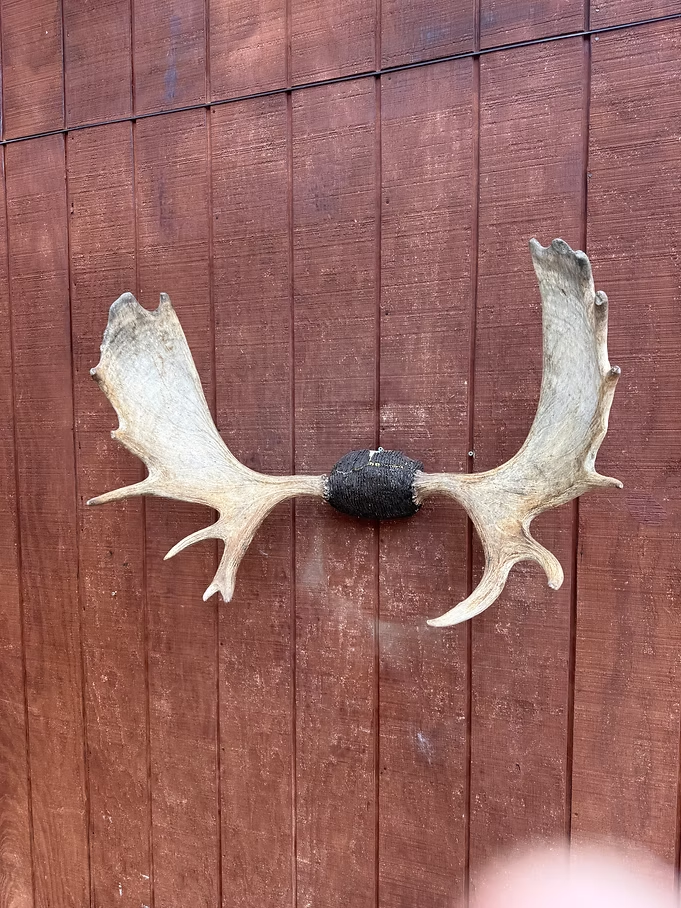
Moose Antlers for Sale: The Complete Guide to Moose Antlers, Shedding Cycles, Decor, Dog Chews, and Buying Authentic Antlers
Understanding the Fascination With Moose Antlers
Few natural items command attention quite like moose antlers. Their massive size, rugged appearance, and unique shape make them some of the most recognizable antlers in the animal kingdom. Whether displayed in hunting lodges, cabins, rustic homes, or outdoor-themed businesses, moose antlers symbolize wilderness, strength, and the untamed beauty of the north.
People searching for moose antlers for sale are often looking for more than simple decoration. Authentic antlers represent a connection to wildlife and outdoor culture. Some buyers want them for rustic furniture projects, chandeliers, knife handles, dog chews, artwork, or trophy displays. Others simply admire the natural beauty of a giant moose antler hanging over a fireplace or mounted in a trophy room.
Unlike deer antlers, moose antlers have a broad palmated shape that immediately stands out. Their size can be astonishing. A mature bull moose may carry antlers stretching over six feet wide and weighing more than 70 pounds combined. Standing near a giant set of antlers feels almost surreal, like standing beneath tree branches rather than bone growth.
The popularity of moose antlers has grown significantly over the years because rustic and outdoor-inspired décor continues dominating interior design trends. Restaurants, cabins, hunting lodges, and luxury mountain homes frequently incorporate antlers into their designs. A large moose antler can instantly transform a room, adding a rugged and authentic wilderness atmosphere.
Collectors and hunters are also fascinated by the natural cycle behind antler growth. Every year, moose grow and shed their antlers in one of the most remarkable biological processes in nature. This yearly transformation explains why shed antlers can legally enter the marketplace in many regions, creating demand for authentic naturally dropped antlers.
What Makes Moose Antlers Unique?
A moose antler is unlike any other antler found in North America. Instead of growing long branching beams like deer or elk, moose antlers form broad flattened palms with sharp tines extending outward. This distinctive structure gives moose their iconic prehistoric appearance.
The size of antlers on a moose is often difficult to comprehend until seen in person. Mature bull moose can develop antlers wider than a grown adult’s arm span. Trophy-class antlers may measure over 70 inches wide, with exceptional bulls producing even larger spreads in prime northern habitats.
Moose use their antlers during the rutting season to establish dominance and compete for mates. Bulls spar with each other in dramatic battles where antlers clash loudly in the forest. Larger antlers generally signal maturity, strength, and superior genetics, making them attractive to females during breeding season.
The growth process itself is extraordinary. Moose antlers are among the fastest-growing bone structures in the animal kingdom. During spring and summer, bulls develop antlers covered in soft velvet filled with blood vessels and nutrients. This velvet supplies the rapid bone growth needed to create massive antlers within only a few months.
By late summer, the velvet dries and peels away, revealing hardened bone underneath. The finished antlers become polished weapons and display structures used during the fall rut. Watching a massive bull moose carrying fully developed antlers through a misty northern forest is one of the most unforgettable wildlife experiences imaginable.
Do Female Moose Have Antlers?
One of the most common questions people ask is, do female moose have antlers? In nearly all cases, female moose do not grow antlers. Antler development is primarily associated with male moose, also known as bulls.
Bull moose rely on antlers for mating competition and dominance displays. Since females do not compete in the same way, they generally lack the hormonal conditions needed for antler growth. This is similar to elk and deer species where males carry antlers while females usually do not.
There are extremely rare exceptions where female moose may develop small antler-like growths due to hormonal abnormalities, but these cases are highly unusual. For practical purposes, if you see a moose with large antlers in the wild, it is almost certainly a bull.
The distinction between bulls and cows becomes especially obvious during autumn. Bulls carrying giant antlers appear dramatically larger and more intimidating than females. Their thick necks, massive shoulders, and towering antlers create one of the most impressive silhouettes in North American wildlife.
This difference also explains why antlers have become so heavily associated with masculine wilderness imagery. Moose antlers symbolize power, dominance, and survival in harsh northern environments where bulls compete intensely during the rutting season.
Do Moose Shed Their Antlers Every Year?
A question that surprises many people is, do moose shed their antlers every year? The answer is yes. Moose grow and shed antlers annually as part of a natural biological cycle.
This process is controlled primarily by testosterone levels and seasonal daylight changes. After the breeding season ends, hormone levels drop significantly in bull moose. As a result, the connection between the antler base and skull weakens until the antlers eventually fall off.
Many people ask:
- Do moose lose their antlers?
- Does a moose shed its antlers?
- Do moose drop their antlers?
The answer to all of these questions is yes. Shedding is completely normal and necessary for future antler growth.
The annual cycle allows bulls to regrow larger and more impressive antlers each year during their prime age. Young bulls typically grow smaller antlers, while mature bulls develop the massive palmated racks that hunters and wildlife enthusiasts admire most.
The shedding process itself often happens quickly. A bull may drop one antler and then lose the second antler hours or days later. Once shed, the antlers remain on the forest floor until scavengers, weather, or humans discover them.
When Do Moose Shed Their Antlers?
Another common question is, when do moose shed their antlers? Timing varies depending on region, climate, age, and overall health, but most bull moose shed antlers during late fall and winter.
In many northern regions, bulls begin dropping antlers between December and February. Older mature bulls often shed earlier because the stress of the rutting season depletes their energy reserves more heavily. Younger bulls may retain antlers slightly longer.
The timing of moose shedding antlers also depends on weather conditions. Harsh winters, food shortages, and physical exhaustion can accelerate the shedding process. Healthy bulls in mild climates sometimes carry antlers later into winter.
Hunters and shed collectors frequently search wintering grounds during early spring because snowmelt reveals dropped antlers more clearly. Finding a giant naturally shed moose antler is considered a major achievement among antler collectors.
Here is a general overview of the shedding cycle:
| Season | Moose Antler Activity |
|---|---|
| Spring | New antler growth begins |
| Summer | Velvet-covered antlers grow rapidly |
| Fall | Velvet sheds and rutting season begins |
| Winter | Bulls drop antlers |
The ability to regrow such enormous structures every year remains one of nature’s most fascinating biological achievements.
Moose Antlers for Sale: Why People Buy Them
The market for moose antlers for sale continues growing because these antlers serve multiple purposes beyond decoration. Buyers include hunters, artists, furniture makers, pet owners, collectors, and interior designers.
One of the most popular uses is rustic home décor. Moose antlers instantly create a wilderness atmosphere in cabins, lodges, restaurants, and mountain homes. Mounted antlers often become centerpiece decorations above fireplaces, entryways, or large living-room walls.
Furniture makers also use moose antlers in creative ways. Chandeliers, coffee tables, lamps, mirror frames, and bed frames featuring antler accents are highly desirable in luxury rustic design. Every antler is naturally unique, which means no two finished pieces look exactly alike.
Collectors value large matched sets because giant moose antlers are increasingly difficult to find. Mature bulls capable of producing trophy antlers are relatively rare, making authentic sheds highly sought after in the marketplace.
Another reason for demand is artistic craftsmanship. Knife makers, sculptors, and carvers often use antler material because it is durable and visually striking. Antler handles and decorative carvings carry a rugged handmade appearance that appeals strongly to outdoor enthusiasts.
Moose Antlers for Dogs
One rapidly growing market involves moose antlers for dogs. Natural antler chews have become extremely popular among pet owners seeking durable alternatives to synthetic chew toys.
Moose antlers are valued because they last much longer than traditional dog chews. Their dense structure helps satisfy chewing instincts while reducing boredom and anxiety in dogs. Many pet owners also prefer natural antler chews because they contain minerals like calcium and phosphorus without artificial additives.
Split antlers are especially popular because they expose the softer marrow center, making them easier for dogs to chew. Whole antlers, meanwhile, are harder and generally last longer for aggressive chewers.
Pet owners should still choose antler sizes carefully. Extremely hard chews may pose risks for dogs with dental problems or overly aggressive chewing habits. Supervision is always recommended when introducing antlers to pets.
The popularity of antler chews has created a booming secondary market for naturally shed antlers. Many shed hunters now sell smaller sections specifically intended for pet products.
The Beauty of Moose With Antlers
Few wildlife images are as iconic as moose with antlers standing in a misty forest or crossing a remote mountain valley. Bull moose carrying giant antlers represent the wildness and scale of northern wilderness better than almost any other animal.
Photographers travel thousands of miles hoping to capture images of mature bulls during autumn. The contrast between dark fur and enormous antlers creates visually stunning compositions, especially against colorful fall landscapes or snowy winter backdrops.
Moose with antlers also symbolize survival and adaptation. These animals thrive in some of the harshest climates on earth, enduring brutal winters, predators, and difficult terrain. Their antlers become visual proof of maturity and strength.
For hunters, seeing a giant bull in the wild is often a lifelong dream. The sheer scale of a mature moose carrying fully developed antlers creates a level of awe difficult to describe. Many hunters say the experience feels almost prehistoric, as though they are stepping back into another era of wildlife dominance.
Moose Antler Arch Attractions
The famous moose antler arch has become an iconic symbol in several northern tourist destinations. These arches are typically constructed using hundreds or even thousands of naturally shed antlers collected over many years.
One of the most famous examples is found in Jackson Hole, Wyoming, where enormous antler arches attract visitors from around the world. Tourists frequently photograph themselves beneath these arches because they represent western wildlife culture and outdoor heritage.
Building an antler arch requires tremendous craftsmanship and planning. Each antler must be positioned securely while maintaining aesthetic balance and structural integrity. The final result often resembles a giant natural sculpture.
These arches also highlight the importance of shed antler collection traditions. Since moose and other cervids naturally shed antlers every year, responsibly gathered sheds can become artistic landmarks without harming wildlife populations.
How to Identify Authentic Moose Antlers
Anyone purchasing moose antlers for sale should learn how to identify authentic antlers and evaluate quality. Genuine moose antlers have a distinctive palmated structure and porous bone texture that differs significantly from synthetic replicas.
Color varies depending on age and environmental exposure. Freshly shed antlers are usually darker, while older antlers become faded and weathered over time. Sun exposure may create lighter tones, while forest moisture can darken sections of the antler.
Weight is another clue. Moose antlers are surprisingly heavy because of their dense bone structure. Lightweight replicas often feel hollow or artificial by comparison.
Buyers should also inspect for cracks, excessive weather damage, or weak structural points. Large decorative antlers used for furniture or displays should remain sturdy and intact to preserve long-term value.
Legal Considerations When Buying Moose Antlers
Laws regarding antler collection and sales vary by region. Some states and provinces regulate shed antler collection seasons to protect wintering wildlife from disturbance.
Hunters and collectors should always verify local regulations before gathering or selling antlers. In some areas, permits may be required for large-scale commercial sales.
Ethical sourcing is equally important. Responsibly collected naturally shed antlers help preserve wildlife populations while supporting sustainable outdoor industries.
Buyers should avoid illegally harvested antlers or products connected to poaching activities. Reputable sellers typically provide information about where and how the antlers were obtained.
Conclusion
The fascination with moose antlers for sale goes far beyond simple decoration. Moose antlers represent wilderness, strength, craftsmanship, and the remarkable biology of one of North America’s most iconic animals.
From understanding when do moose shed their antlers to learning why do moose shed their antlers every year, the annual antler cycle remains one of nature’s most incredible processes. Massive antlers grown and shed every year symbolize survival, dominance, and adaptation in harsh northern environments.
Whether displayed in rustic homes, transformed into artwork, used in a famous moose antler arch, or crafted into moose antlers for dogs, these antlers continue capturing attention worldwide. Their natural beauty and rugged character ensure they remain highly valued by hunters, collectors, artists, and outdoor enthusiasts alike.
Reviews
There are no reviews yet.