

Description
Shoulder Mount Deer Price: The Ultimate Guide to Deer Shoulder Mount Taxidermy, Styles, Costs, and Trophy Display Ideas
Why Deer Shoulder Mounts Remain the Gold Standard in Taxidermy
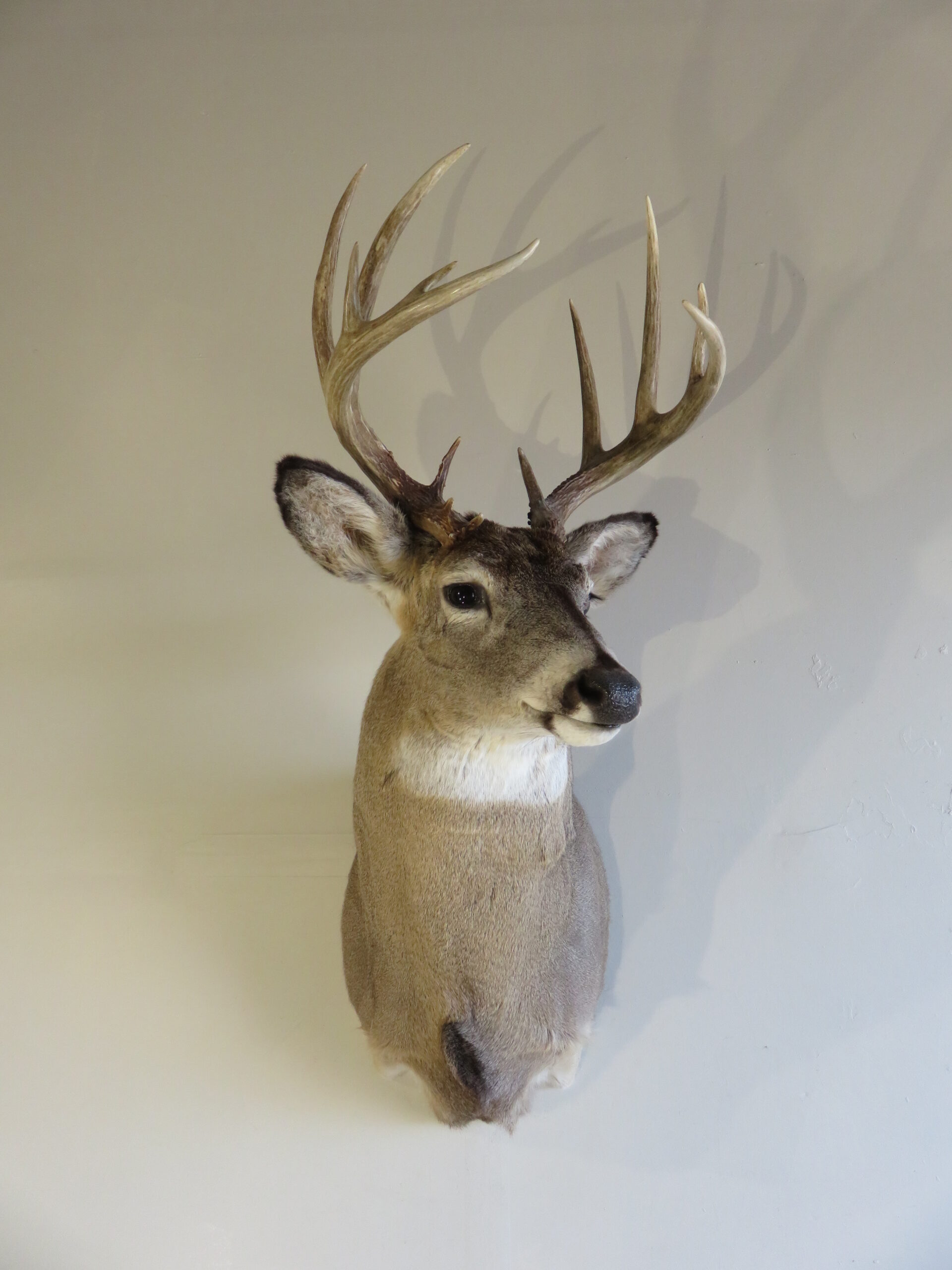
For generations, hunters have considered the shoulder mount deer display the ultimate way to preserve a trophy animal. While european mounts and antler plaques continue gaining popularity, traditional shoulder mounts still dominate hunting lodges, trophy rooms, cabins, and rustic homes across North America. There is something powerful about seeing a lifelike deer mount staring out from the wall, preserving not only the antlers but also the expression, muscle structure, and personality of the animal itself.
A professionally crafted whitetail deer shoulder mount captures the emotion of the hunt in a way few other displays can. The mount freezes a specific moment in time. Every detail matters, from ear position and nose texture to eye alignment and neck posture. Hunters often say a shoulder mount brings memories flooding back instantly, reminding them of cold mornings in the stand, adrenaline-filled moments before the shot, and the satisfaction of harvesting a mature buck.
The demand for deer shoulder mount taxidermy remains extremely strong because hunters want more than antlers on the wall. They want realism, artistry, and a display that honors the experience. A quality mount transforms a trophy into a centerpiece. It becomes part of family history, often passed down through generations as a reminder of outdoor traditions and hunting heritage.
One of the biggest questions hunters ask today involves the shoulder mount deer price. Costs can vary dramatically depending on taxidermist skill, geographic location, mount style, customization options, and deer size. Some hunters want simple wall mounts, while others prefer dramatic pedestal displays or custom habitat scenes. Understanding the factors affecting pricing helps hunters make informed decisions before investing in taxidermy work.
Modern taxidermy has also evolved significantly over the years. Today’s mounts look more realistic than ever thanks to improved forms, glass eyes, sculpting materials, and advanced tanning methods. Taxidermists now offer countless pose options and artistic styles, allowing hunters to customize mounts in ways that reflect personal taste and hunting memories.
Understanding Shoulder Mount Deer Price
The average deer shoulder mount cost can range anywhere from $500 to well over $2,000 depending on the quality of the taxidermist and the level of customization requested. Hunters are often surprised by the wide pricing range, but professional taxidermy is a highly specialized art form that requires significant skill, time, and material investment.
Basic shoulder mounts typically include standard poses, average-sized forms, and simple finishing details. Premium mounts often feature advanced facial sculpting, custom ear positioning, open-mouth designs, pedestal displays, and habitat additions like rocks, branches, or artificial grass.
Geographic location also affects pricing. Taxidermists in rural hunting regions may charge less than highly sought-after studios known for championship-quality work. Hunters pursuing world-class trophies usually prioritize craftsmanship over price because they understand a once-in-a-lifetime buck deserves exceptional preservation.
Here is a general pricing breakdown:
| Mount Type | Average Cost |
|---|---|
| Standard Shoulder Mount | $500–$900 |
| Premium Shoulder Mount | $900–$1,500 |
| Pedestal Shoulder Mount | $1,200–$2,500 |
| Custom Habitat Display | $2,000+ |
The cost of a deer shoulder mount also depends on turnaround time. High-end taxidermists often have waiting lists stretching several months or even years because demand for quality work remains extremely high.
Hunters should remember that taxidermy is not just a purchase. It is an investment in preserving memories. Choosing a cheap taxidermist often leads to disappointment because poor mounts become increasingly noticeable over time.
Types of Deer Shoulder Mounts
There are many different types of deer shoulder mounts available today, ranging from traditional upright poses to dramatic pedestal displays. Each style creates a different visual effect and atmosphere within a trophy room.
The traditional upright mount remains the most common option. This pose presents the deer looking straight ahead with its neck extended naturally. It works well in nearly any room because it provides a balanced and timeless appearance.
Semi-upright mounts angle the head slightly downward, creating a more relaxed and natural look. Aggressive upright poses, meanwhile, emphasize alertness and dominance, often making bucks appear larger and more imposing.
Pedestal mounts have become increasingly popular because they allow full viewing angles. A deer shoulder mount pedestal display extends outward from the wall or floor, creating a more three-dimensional presentation. These mounts often include habitat scenes and artistic bases that elevate the trophy dramatically.
Wall pedestal mounts blend traditional shoulder mounts with pedestal features, creating additional depth without requiring full floor space. Hunters with smaller trophy rooms often choose this style because it adds visual impact while remaining practical.
Another growing trend involves custom behavioral poses. Some hunters prefer bucks with ears laid back aggressively, while others want relaxed feeding poses or alert expressions that mimic real field encounters.
Deer Shoulder Mount Styles and Artistic Trends
Modern deer shoulder mount styles have evolved far beyond the basic mounts seen decades ago. Taxidermists now approach mounting like wildlife sculpture, focusing heavily on anatomy, realism, and artistic presentation.
One major trend is hyper-realistic facial detailing. Advanced sculpting techniques create lifelike muscle definition around the eyes, nose, and jawline. Skin texture, nostril shape, and ear veins are all carefully refined to enhance realism.
Open-mouth mounts have also become more popular. These mounts show detailed teeth, gums, and tongue structures, creating highly dramatic displays. While not every hunter prefers this style, it can add intense realism to rutting buck poses.
Custom habitat work is another rapidly growing trend. Taxidermists incorporate driftwood, rocks, branches, fencing, grass, and even snow scenes into mounts to recreate hunting environments. These additions transform ordinary trophies into artistic wildlife scenes.
Rustic décor trends have further increased demand for custom mounts. Hunters want mounts that complement modern cabins and luxury lodges. As a result, many taxidermists now design displays specifically around interior aesthetics and architectural style.
Popular Deer Shoulder Mount Poses
Choosing among various deer shoulder mount poses is one of the most exciting parts of the taxidermy process. The pose determines how the deer will interact visually with the room and how the memory of the hunt will be preserved.
Upright poses remain classic because they create strong eye-level displays. These mounts work especially well in trophy rooms with multiple mounts arranged together.
Semi-sneak poses are extremely popular for mature bucks because they create a cautious and natural appearance. The lowered head and forward-facing posture mimic how deer often move through woods while scent-checking or approaching cautiously.
Full sneak poses create dramatic horizontal movement. These mounts appear as though the buck is actively stalking or moving through terrain. Hunters often choose sneak poses for wall pedestal displays because they maximize visual motion.
Aggressive rutting poses are another favorite among hunters who harvested mature bucks during the breeding season. Ears pinned back and flared nostrils create intense realism that captures the energy of rutting behavior.
Some taxidermists also offer custom poses based on reference photos from trail cameras or field photography. This level of personalization allows hunters to recreate the exact posture or expression of the buck they harvested.
Whitetail Shoulder Mount W-126 Explained
The Whitetail Shoulder Mount W-126 is one of many commercial taxidermy forms available to professional taxidermists. Taxidermy forms act as the internal structure beneath the deer hide, shaping the final appearance of the mount.
Different forms create different head positions, neck angles, and body posture. Hunters often browse form catalogs before choosing a final mount style. The W-126 form is known for its balanced proportions and natural pose, making it popular for mature whitetail bucks.
Professional taxidermists may slightly modify forms during the mounting process to achieve greater realism or customize facial expressions. Small changes in muscle definition, ear angle, or eye shape can dramatically affect the final appearance.
Understanding form selection helps hunters communicate more effectively with taxidermists. A high-quality form provides the foundation for a realistic and long-lasting mount.
How to Cape a Deer for a Shoulder Mount
Knowing how to cape a deer for a shoulder mount is critical if you want quality taxidermy results. Poor caping techniques can damage the hide and create major problems during mounting.
The process begins immediately after harvest. Hunters should avoid dragging the deer excessively because friction damages hair and skin. Cooling the animal quickly also helps prevent bacterial growth and hair slippage.
When learning how to cape a deer for shoulder mount preparation, careful skinning around the neck and shoulders is essential. Hunters should leave extra hide rather than cutting too close because taxidermists can trim excess material later if needed.
Cuts should generally begin behind the front shoulders and continue carefully up the neck. Hunters should avoid cutting the throat or chest excessively because these areas remain visible in finished mounts.
Proper field care matters tremendously. Keeping the cape cool, dry, and clean preserves hair quality and reduces spoilage risks. Many hunters immediately place capes in coolers with ice after field dressing.
Hunters unfamiliar with caping often choose to bring the deer directly to a professional taxidermist. This reduces mistakes and helps ensure the mount turns out correctly.
How to Shoulder Mount a Deer
Understanding how to shoulder mount a deer reveals why professional taxidermy requires significant expertise. The process involves much more than simply stretching skin over a form.
First, the hide must be professionally tanned to preserve flexibility and durability. The skull plate and antlers are then attached securely to the taxidermy form.
The taxidermist carefully fits the tanned cape over the form while adjusting facial features, muscle contours, and ear positioning. Eyes, nose pads, and lips require detailed sculpting to achieve realism.
Drying time is another important stage. Mounts must dry slowly and evenly to maintain proper shape. During this period, taxidermists continue making adjustments to skin tension and facial expression.
Painting and finishing work complete the process. Airbrushing restores natural coloration around the eyes, nose, and inner ears. These subtle details separate average mounts from exceptional ones.
Professional shoulder mounting combines sculpture, anatomy, painting, and wildlife knowledge into a single artistic process. That complexity explains why experienced taxidermists command premium prices.
Mule Deer Shoulder Mounts for Sale
The demand for mule deer shoulder mounts for sale continues increasing because mule deer possess uniquely impressive antler structures and western appeal. Their large ears, forked antlers, and rugged appearance create dramatic displays that stand out in trophy rooms.
Many hunters pursuing western big game consider mule deer mounts essential centerpiece trophies. Large mule deer shoulder mounts often appear more aggressive and imposing than whitetail mounts due to facial structure and antler width.
Collectors and decorators also purchase existing mule deer mounts for rustic homes, lodges, restaurants, and hunting-themed businesses. Quality mule deer mounts carry significant value because mature trophy bucks are relatively difficult to harvest.
Custom pedestal mounts work especially well for mule deer because their wide antlers create dramatic visual spread. Western habitat scenes featuring sagebrush, rocks, and deadfall wood are also popular additions.
Finding Shoulder Mount Deer Near Me
Hunters frequently search for shoulder mount deer near me when looking for local taxidermy services. Choosing a nearby taxidermist offers several advantages, including easier communication, lower transportation risks, and the ability to inspect previous work in person.
A good taxidermist should have a strong portfolio showcasing realistic anatomy, clean stitching, accurate ear positioning, and natural facial expression. Hunters should always examine finished mounts carefully before committing to a taxidermist.
Word-of-mouth reputation remains extremely important in the taxidermy industry. Experienced hunters often know which local taxidermists consistently deliver high-quality work and which shops to avoid.
Turnaround time is another factor worth discussing. Quality taxidermy takes time, and rushing the process often reduces realism and durability. Hunters should prioritize craftsmanship over speed whenever possible.
Shoulder Mounts Whitetail Deer and Trophy Room Design
Displaying shoulder mounts whitetail deer properly can transform a room completely. Trophy rooms today often blend rustic décor with modern design principles, creating spaces that feel both elegant and outdoors-inspired.
Spacing matters tremendously when arranging multiple mounts. Crowded displays reduce visual impact, while strategic spacing allows each trophy to stand out individually.
Lighting also plays a huge role. Warm directional lighting enhances antler shadows and facial detail, adding depth and realism to the room. Some hunters use adjustable spotlights specifically designed for trophy displays.
Many modern trophy rooms combine shoulder mounts with european mounts, photographs, vintage hunting gear, and reclaimed wood accents. This layered approach creates a more personal and immersive atmosphere.
Ultimately, the goal is not simply displaying antlers. It is preserving memories and celebrating outdoor experiences in a meaningful way.
Conclusion
Understanding the true shoulder mount deer price requires recognizing the craftsmanship, artistry, and emotional value behind professional taxidermy. A quality deer shoulder mount is far more than decoration. It is a permanent reminder of adventure, patience, and unforgettable moments in the field.
From exploring various types of deer shoulder mounts to selecting among different deer shoulder mount poses, hunters now have more customization options than ever before. Whether choosing a traditional whitetail deer shoulder mount, a dramatic pedestal display, or searching for mule deer shoulder mounts for sale, the right mount can become the centerpiece of a lifetime hunting memory.
Professional deer shoulder mount taxidermy continues evolving with improved realism, artistic techniques, and creative display options. Hunters willing to invest in quality craftsmanship often enjoy mounts that remain beautiful and meaningful for generations.
Reviews
There are no reviews yet.