

Description
Mule Deer Taxidermy: The Complete Guide to Mule Deer Mounts, Taxidermy Poses, Forms, and Trophy Display Ideas
Why Mule Deer Taxidermy Remains So Popular
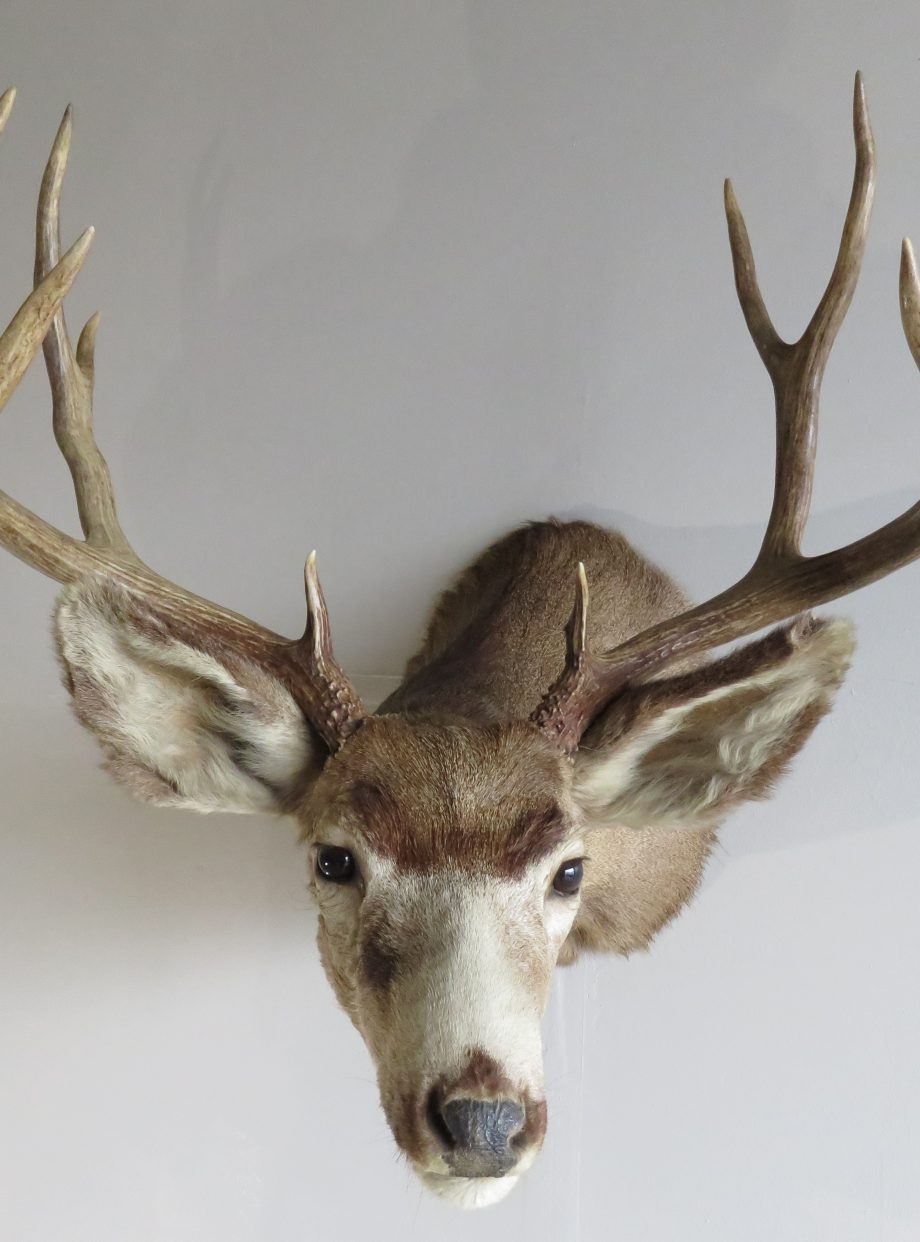
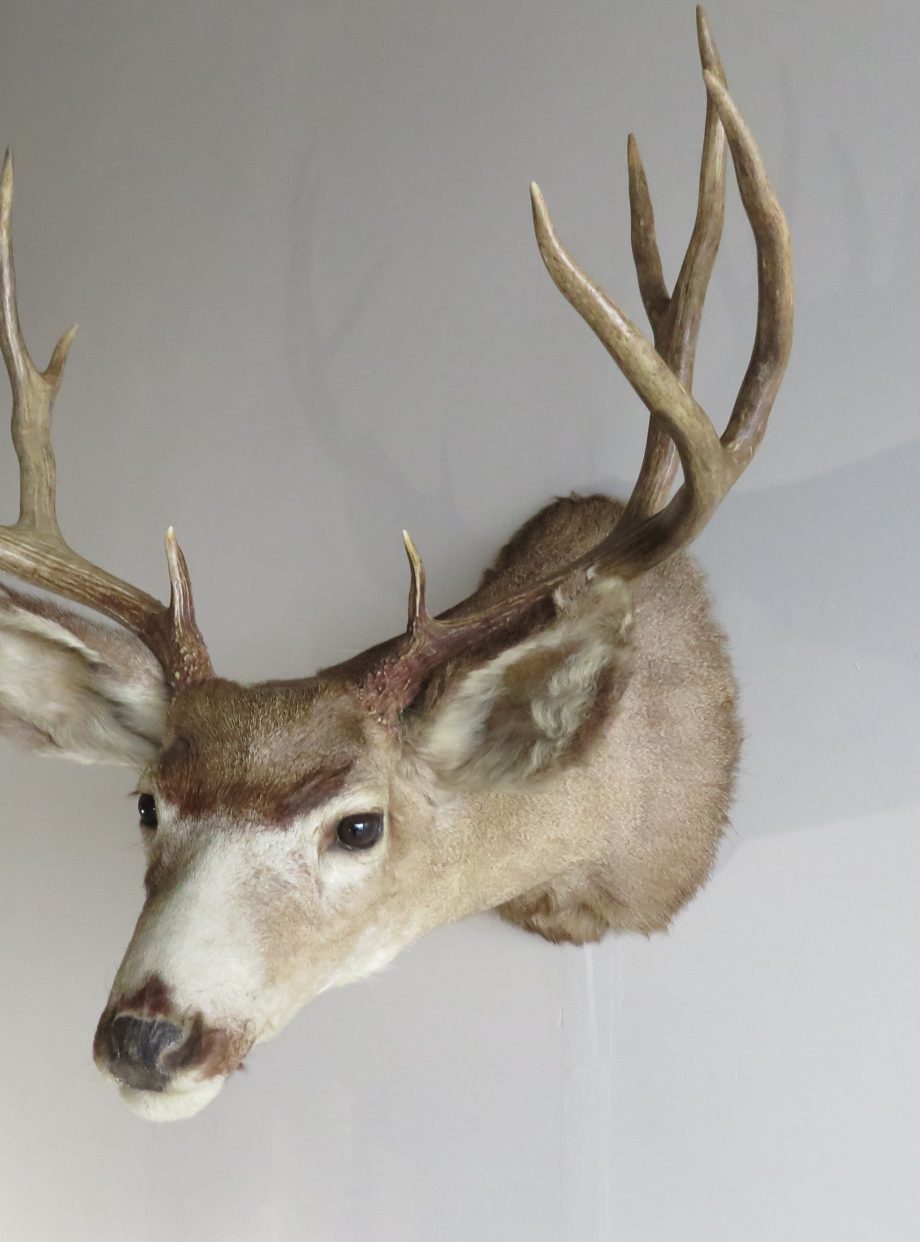
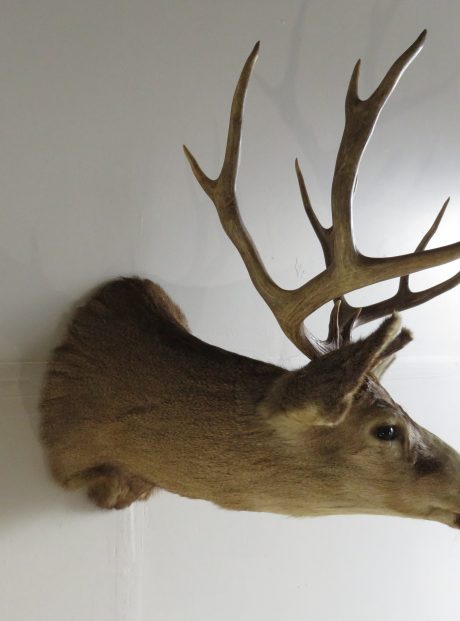
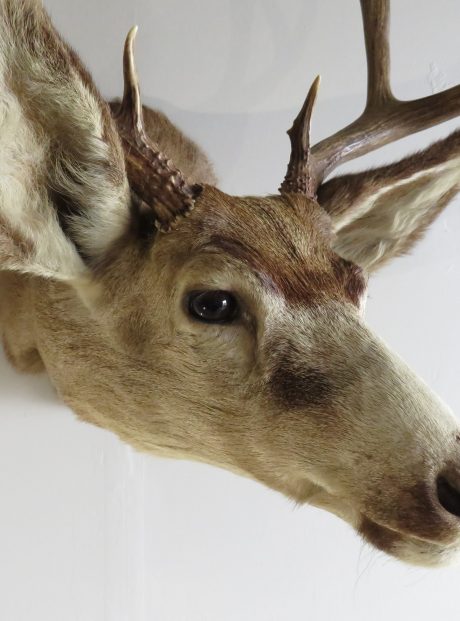
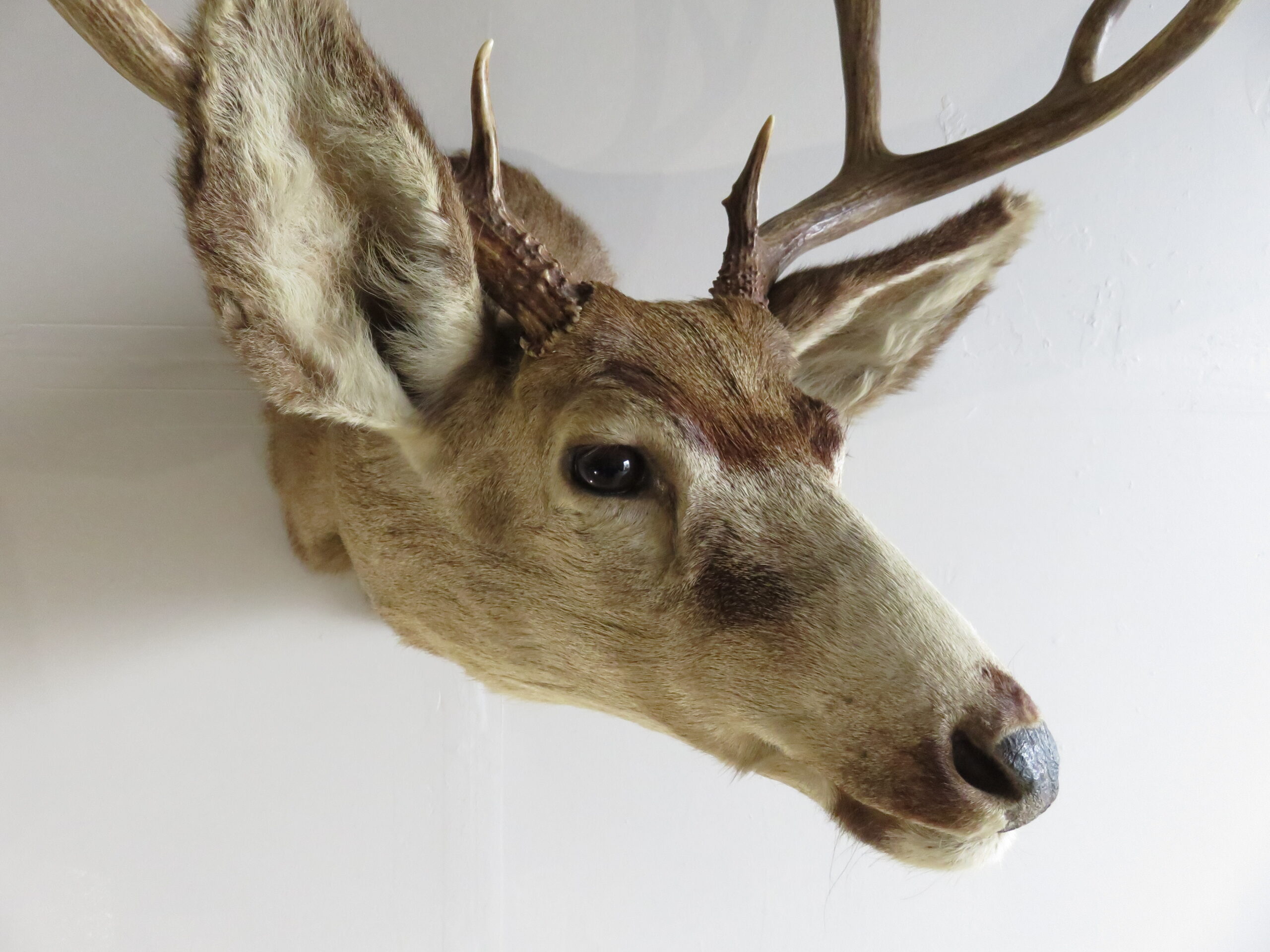
The world of mule deer taxidermy continues growing because mule deer represent one of the most iconic big game animals in North America. Their oversized ears, rugged facial features, and massive forked antlers create a striking appearance that stands apart from whitetail deer and other trophy species. Hunters who harvest a mature mule deer often view the experience as a once-in-a-lifetime achievement, making professional taxidermy an important part of preserving those memories.
A professionally completed mule deer mount captures far more than antlers alone. It preserves the emotion of the hunt, the beauty of western landscapes, and the character of the animal itself. Every scar, ear angle, and facial expression contributes to the final story the mount tells. For many hunters, displaying a trophy mule deer becomes a symbol of adventure, persistence, and respect for wildlife.
Modern mule deer taxidermy mounts have evolved dramatically over the years. Advances in sculpting, tanning, eye placement, and anatomical accuracy now allow taxidermists to create mounts that look incredibly lifelike. Today’s mounts are not simply decorations hanging on walls. They are artistic wildlife recreations designed to preserve realism and personality.
The popularity of rustic home décor has also fueled the demand for mule deer mounts. Hunting lodges, luxury cabins, restaurants, and western-themed homes frequently feature taxidermy as centerpiece décor. A mature mule deer shoulder mount instantly adds wilderness character and visual impact to any room.
Another reason mule deer taxidermy remains highly respected is the challenge involved in harvesting mature bucks. Mule deer often inhabit rugged mountain terrain, steep canyons, and remote western landscapes. Hunters may spend years searching for a truly giant buck. Preserving that trophy through professional taxidermy becomes an investment in memory and tradition.
Understanding Mule Deer Taxidermy Forms
One of the most important elements in quality taxidermy is the use of proper mule deer taxidermy forms. The form acts as the internal structure beneath the hide, determining the final pose, muscle shape, and posture of the finished mount.
Modern taxidermy forms are carefully sculpted to replicate realistic anatomy. Taxidermists select forms based on neck size, antler position, facial structure, and desired pose. High-quality forms help ensure the finished mount appears natural rather than stiff or artificial.
Different forms create dramatically different appearances. Upright forms present the deer with a tall alert posture, while semi-sneak and full-sneak forms create more cautious or aggressive movement. Choosing the right form is one of the most important artistic decisions in the taxidermy process.
Many professional taxidermists modify forms extensively before mounting the cape. They may reshape muscles, adjust neck contours, or alter facial expressions to achieve greater realism. This customization separates average mounts from exceptional ones.
Hunters are often surprised by how much detail goes into selecting and modifying forms. Small changes in head angle or shoulder posture can completely change the personality of the finished trophy. A properly selected form allows the mount to reflect the memory of the actual encounter in the field.
Mule Deer Taxidermy Mounts and Their Lasting Appeal
There is a reason taxidermy mule deer mounts continue dominating western trophy rooms. Mule deer possess a rugged appearance that creates dramatic visual impact in almost any setting. Their wide antlers, thick necks, and oversized ears naturally draw attention.
Unlike smaller deer species, mature mule deer mounts often appear larger and more imposing because of their facial structure and antler width. This makes them ideal centerpiece displays in hunting lodges and trophy rooms.
The emotional value of mule deer mounts also contributes to their appeal. Many hunters spend years building preference points, scouting remote terrain, and preparing physically for western hunts. When a mature buck is finally harvested, preserving the animal through taxidermy becomes deeply meaningful.
Professional mule deer taxidermy mounts can last for decades when properly maintained. High-quality tanning methods and mounting techniques ensure durability while preserving natural coloration and hair texture.
Collectors and decorators also purchase existing mule deer mounts because of their rustic aesthetic. High-end restaurants, outdoor stores, and mountain homes frequently use taxidermy as part of interior design. A giant mule deer mount instantly creates an authentic western atmosphere.
Mule Deer Taxidermy Poses Explained
Choosing among different mule deer taxidermy poses is one of the most exciting parts of the mounting process. The pose determines how the mount will interact visually with the room and what type of personality it will project.
Upright poses remain classic because they showcase antlers prominently while maintaining a balanced appearance. These mounts work especially well on large walls where the antlers can spread naturally without obstruction.
Semi-sneak poses are extremely popular for mule deer because they create realistic movement and alertness. The slightly lowered head and forward posture mimic how mature bucks often travel through open country while scent-checking the environment.
Full-sneak poses create dramatic horizontal movement. These mounts look as though the buck is actively stalking or moving cautiously through terrain. Hunters who harvest rutting bucks often choose this style because it captures intensity and focus.
Aggressive rutting poses are another favorite among western hunters. Ears pinned back, flared nostrils, and tense facial muscles create a realistic representation of dominant breeding behavior during the rut.
Some hunters even request custom poses based on trail camera photos or field images. Modern taxidermists can often replicate specific head turns, ear positions, or expressions to personalize the mount further.
Mule Deer Poses for Taxidermy and Room Design
Different mule deer poses for taxidermy work better depending on room layout, lighting, and wall space. Choosing the right pose involves both artistic preference and practical display considerations.
Tall upright poses work best in rooms with high ceilings because they emphasize antler height and neck structure. These mounts naturally command attention and fit well above fireplaces or central trophy walls.
Semi-sneak poses often work better in tighter spaces because the head angle creates movement without requiring excessive vertical clearance. This style feels highly natural and blends beautifully into rustic décor settings.
Pedestal mounts allow full viewing angles and have become increasingly popular in modern trophy rooms. These displays extend outward from walls or stand independently on bases, creating a three-dimensional presentation.
Lighting also influences pose selection. Dramatic side lighting enhances muscle contours and facial detail, making sneak poses especially striking. Taxidermists often discuss room layout with clients before finalizing form selection.
Ultimately, the goal is to create a display that feels dynamic and alive rather than stiff or generic. The right pose helps preserve not only the deer itself but also the emotion and atmosphere of the hunt.
Deer Taxidermy Mounts Beyond Mule Deer
Although mule deer are incredibly popular, the broader world of deer taxidermy mounts includes many species and mounting styles. Whitetails, blacktails, axis deer, and exotic species all remain highly sought after in the taxidermy community.
Each species presents unique challenges and artistic opportunities. Mule deer, for example, often require special attention to ear size and facial anatomy because their features differ significantly from whitetails.
Taxidermists who specialize in deer species usually develop deep anatomical understanding that improves realism dramatically. Subtle details like eye shape, nose texture, and lip structure vary between species and contribute greatly to final appearance.
Collectors frequently combine multiple species within a single trophy room. A mule deer mount displayed beside elk, whitetail, or caribou creates layered visual contrast and tells a broader hunting story.
The demand for quality deer mounts remains extremely strong because hunting traditions continue thriving across North America. Hunters increasingly view taxidermy as both art and memory preservation rather than simple decoration.
Taxidermy Mounts for Sale and Collector Demand
The market for taxidermy mounts for sale has expanded significantly over the past decade. Collectors, decorators, hunting lodges, and outdoor-themed businesses regularly purchase existing mounts for display purposes.
Mule deer mounts are especially desirable because of their western appeal and dramatic antler structure. Large mature bucks often command premium prices depending on antler quality, realism, and mount condition.
Vintage taxidermy has also become trendy in rustic and industrial interior design. Antique mule deer mounts with weathered character are now commonly featured in luxury cabins and western-themed spaces.
When purchasing mounts, buyers should inspect several important details:
- Hair quality and coloration
- Eye realism and symmetry
- Ear positioning
- Nose texture and finish
- Seam visibility
- Overall anatomical accuracy
Poorly mounted deer become increasingly noticeable over time, which is why serious buyers prioritize craftsmanship and realism above low pricing.
Deer Shoulder Mount Taxidermy Process
The process of deer shoulder mount taxidermy requires skill, patience, anatomy knowledge, and artistic ability. Professional taxidermists spend years refining techniques to create realistic mounts.
The process begins with proper caping and hide preservation. Hunters must handle the animal carefully to prevent hair slippage and skin damage. Cooling the cape quickly is essential for maintaining hair quality.
After tanning, the hide becomes soft and workable again. The taxidermist then selects an appropriate form matching the deer’s neck size and desired pose.
The cape is fitted carefully over the form while facial details are shaped and adjusted manually. Eyes, lips, nostrils, and ear butts require extensive sculpting to achieve realism.
Once mounted, the deer dries slowly over several weeks. During this period, the taxidermist continues refining skin placement and facial detail.
Painting and finishing work complete the process. Airbrushing restores natural coloration around the eyes, nose, and ears, creating the lifelike appearance hunters expect from quality work.
Understanding the Modern Taxidermy Mount Industry
The modern taxidermy mount industry has become increasingly sophisticated. Today’s top taxidermists operate almost like wildlife sculptors, combining anatomy, painting, carpentry, and design into a single craft.
Competition-level taxidermy has pushed realism standards higher than ever before. Championship mounts often look nearly alive due to advanced sculpting techniques and attention to detail.
Social media has also transformed the industry. Hunters now compare taxidermists online, sharing photos and reviews that influence reputation heavily. High-quality work spreads quickly across hunting communities.
Customization has become another major trend. Hunters increasingly request personalized habitat scenes, custom plaques, pedestal displays, and unique lighting systems to enhance trophy presentation.
The industry continues evolving as hunters demand greater realism and artistic creativity. Simple generic mounts are gradually being replaced by highly customized displays designed to reflect individual hunting experiences.
Deer Head Mount Taxidermy and Trophy Rooms
The classic deer head mount taxidermy display remains one of the most recognizable symbols of hunting culture. Whether displayed in cabins, homes, offices, or lodges, deer mounts create immediate connection to the outdoors.
Modern trophy rooms often combine multiple mount styles to create layered visual interest. Shoulder mounts, european mounts, vintage gear, maps, and wildlife photography work together to tell complete hunting stories.
Lighting is especially important for deer head displays. Warm spotlights enhance antler shadows and facial texture while creating depth within the room.
Spacing also matters greatly. Overcrowded trophy walls reduce visual impact, while strategic spacing allows each mount to stand out individually.
Mule deer mounts work especially well as centerpiece displays because their antler width and ear size naturally command attention. A mature mule deer mounted properly can transform an ordinary room into a striking western showcase.
European Mount Taxidermy Near Me and Alternative Styles
Many hunters searching for european mount taxidermy near me are comparing shoulder mounts with skull-based displays. European mounts have become extremely popular because they offer simplicity, affordability, and rustic elegance.
Unlike shoulder mounts, european mounts focus on the cleaned skull and antlers without preserving the hide. This minimalist style works especially well in modern homes and smaller spaces.
Some hunters combine both styles within trophy rooms. Large shoulder mounts serve as centerpiece displays, while european mounts create additional visual layering without overwhelming walls.
European mounts are also generally less expensive and easier to maintain than traditional shoulder mounts. This makes them attractive options for hunters harvesting multiple animals.
Still, many hunters continue preferring full shoulder mounts because they preserve the complete character and expression of the deer. The choice ultimately depends on personal taste, budget, and display goals.
Conclusion
The world of mule deer taxidermy blends wildlife artistry, hunting tradition, and memory preservation into one powerful form of display. From selecting realistic mule deer taxidermy forms to choosing among dramatic mule deer taxidermy poses, every detail contributes to the final trophy’s personality and impact.
Modern mule deer taxidermy mounts have evolved far beyond simple wall decorations. Today’s mounts are sophisticated artistic creations designed to preserve realism, emotion, and the spirit of the hunt itself.
Whether exploring taxidermy mounts for sale, planning a custom deer shoulder mount taxidermy project, or comparing shoulder mounts with european mount taxidermy near me options, hunters now have more choices than ever before.
A professionally mounted mule deer becomes more than a trophy. It becomes a permanent reminder of adventure, wilderness, patience, and the unforgettable experience of pursuing one of North America’s most iconic game animals.
Reviews
There are no reviews yet.