

Description
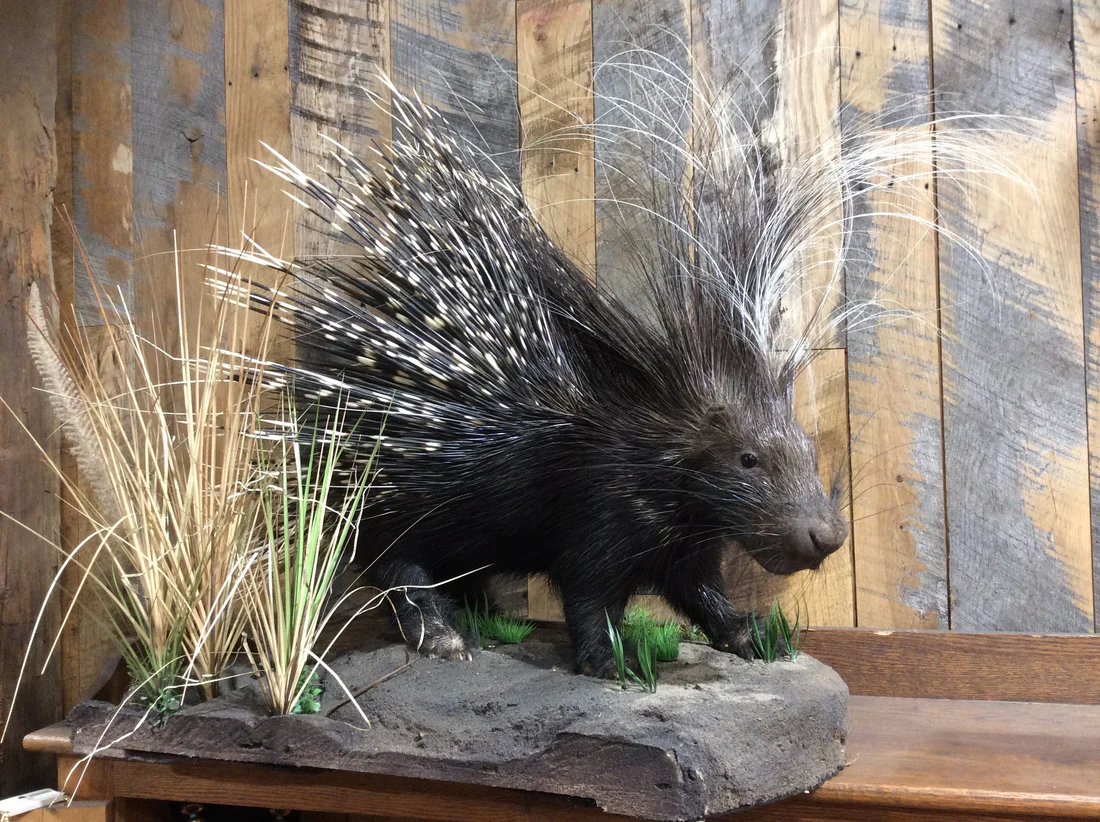
African Porcupine: Habitat, Behavior, Diet, and Fascinating Facts About Africa’s Spiny Giant
The African porcupine is one of the most fascinating and misunderstood rodents in the animal kingdom. Recognized for its intimidating quills, nocturnal lifestyle, and remarkable defense mechanisms, this animal plays an essential role in African ecosystems. Many wildlife enthusiasts often ask, are there porcupines in Africa? The answer is a definite yes. In fact, several species of porcupines inhabit different parts of the continent, with the african crested porcupine being the largest and most famous among them.
Across forests, savannas, rocky hillsides, and semi-arid regions, porcupines in Africa have adapted to survive in some of the harshest environments on Earth. These resilient creatures are not aggressive by nature, but they are incredibly effective at defending themselves from predators such as lions, leopards, hyenas, and wild dogs. Their sharp quills, combined with their strong instincts, make them one of the most unique mammals on the continent.
The term porcupine african is commonly used by wildlife researchers and travelers searching for information about African porcupine species. Whether observed in national parks, conservation reserves, or rural landscapes, African porcupines continue to capture the attention of scientists and tourists alike. Among the different species, the african crested porcupines stand out due to their impressive size, striking appearance, and widespread distribution.
This comprehensive guide explores everything you need to know about the African porcupine, including its habitat, physical characteristics, behavior, reproduction, ecological role, and conservation status. By the end of this article, you will understand why these remarkable rodents are among Africa’s most extraordinary mammals.
Understanding the African Porcupine
The African porcupine belongs to the rodent family Hystricidae, a group known as Old World porcupines. Unlike New World porcupines found in the Americas, African species are ground-dwelling animals that do not climb trees. They are heavily built rodents covered in sharp quills that provide protection from predators.
The most recognized species is the african crested porcupine, scientifically known as Hystrix cristata. It is the largest porcupine species in the world and is native to various regions of Africa, especially North Africa, East Africa, West Africa, and parts of Central Africa.
African porcupines are primarily nocturnal. During the day, they remain hidden in burrows, caves, or rocky crevices. At night, they emerge to forage for food, often traveling long distances in search of roots, fruits, bark, and vegetation.
These animals are generally peaceful and shy. However, when threatened, they become formidable opponents. Their defense system is so effective that even powerful predators avoid attacking mature porcupines.
Physical Characteristics of the African Porcupine
African porcupines possess several unique physical features that distinguish them from other rodents.
Size and Weight
The african crested porcupines are exceptionally large compared to other rodent species. Adults can reach lengths of 60 to 90 centimeters, excluding the tail, and weigh between 13 and 27 kilograms. Some exceptionally large individuals can exceed these averages.
Their bodies are stocky and muscular, allowing them to move efficiently across rugged terrain.
Quills
The most recognizable feature of the African porcupine is its quills. These modified hairs are made of keratin, the same material found in human fingernails and hair.
The quills vary in size and structure:
- Long defensive quills cover the back and sides
- Shorter spines protect the neck and shoulders
- Hollow tail quills produce rattling sounds when shaken
Contrary to popular myths, porcupines cannot shoot their quills. Instead, the quills detach easily when they come into contact with predators.
Crest
The african crested porcupine gets its name from the impressive crest of long white and black quills running along its head and neck. When threatened, the crest rises, making the animal appear larger and more intimidating.
Teeth and Jaw Strength
Like all rodents, African porcupines possess continuously growing incisors. Their strong jaws allow them to gnaw through roots, bark, bones, and even wooden structures.
They are known to chew on bones to obtain calcium and sharpen their teeth.
Habitat and Distribution of Porcupines in Africa
Many people wonder, are there porcupines in Africa across all regions of the continent? While they are widespread, their presence depends on habitat suitability.
Geographic Distribution
Porcupines in Africa are found in numerous countries including:
- Cameroon
- Kenya
- Tanzania
- Uganda
- Ethiopia
- South Africa
- Morocco
- Algeria
- Nigeria
- Zambia
The african crested porcupines are especially common in North and East Africa.
Preferred Habitats
African porcupines are highly adaptable animals. They can survive in diverse environments such as:
Forests
Dense forests provide shelter, food, and protection from predators.
Savannahs
Open grasslands with scattered trees are ideal for nighttime foraging.
Rocky Hillsides
Rocky regions offer natural caves and hiding places.
Semi-Arid Areas
Some species thrive in dry landscapes with sparse vegetation.
Burrowing Behavior
African porcupines either dig their own burrows or occupy abandoned dens created by other animals. These underground homes can be extensive and may contain multiple chambers.
Burrows provide:
- Protection from predators
- Shelter from extreme temperatures
- Safe spaces for raising young
Many porcupines use the same burrow system for years.
Diet and Feeding Habits
The African porcupine is primarily herbivorous, feeding on a wide range of plant materials.
Main Food Sources
Their diet commonly includes:
- Roots
- Tubers
- Fruits
- Bark
- Bulbs
- Leaves
- Crops
Because they consume underground plant parts, porcupines are skilled diggers.
Seasonal Feeding
Food availability changes throughout the year, so African porcupines adapt their diet according to seasonal conditions.
During dry seasons, they rely more heavily on roots and bark. In wetter seasons, they consume fruits and fresh vegetation.
Agricultural Impact
In some rural areas, porcupines in Africa are considered agricultural pests because they feed on crops such as:
- Maize
- Cassava
- Sweet potatoes
- Groundnuts
Farmers sometimes view them as destructive animals due to crop damage.
Bone Chewing Behavior
One unusual habit of the african crested porcupine is osteophagy, or bone chewing. They collect bones and gnaw on them to obtain minerals like calcium and phosphorus.
This behavior helps maintain healthy quills and skeletal strength.
Behavior and Social Structure
African porcupines display fascinating social and behavioral traits.
Nocturnal Lifestyle
These animals are mostly active at night. Their nocturnal habits reduce the risk of encounters with predators and help them avoid daytime heat.
At dusk, they emerge from their dens to forage.
Family Groups
Unlike many rodents, african crested porcupines often live in family groups. A typical family unit may consist of:
- A monogamous adult pair
- Young offspring
- Older juveniles
This social structure helps protect vulnerable young.
Communication
African porcupines communicate through:
- Vocalizations
- Scent marking
- Tail rattling
- Body posture
When alarmed, they stomp their feet and shake hollow tail quills to create warning sounds.
Defense Mechanisms
Porcupines possess one of the most effective defense systems in the animal kingdom.
When threatened, they may:
- Raise their quills
- Rattle tail spines
- Charge backward toward predators
The quills easily penetrate skin and can cause severe injuries.
Predators that attack porcupines often suffer painful wounds that may become infected.
Reproduction and Life Cycle
The reproductive behavior of African porcupines is highly interesting and differs from many rodent species.
Mating System
African porcupines are generally monogamous. Pairs often remain together for long periods and cooperate in raising offspring.
Gestation and Birth
The gestation period lasts approximately 90 to 112 days.
Females typically give birth to:
- One to four offspring per litter
The young are born relatively well developed.
Baby Porcupines
Newborn porcupines are called porcupettes.
At birth:
- Their eyes are open
- Their quills are soft
- They can move shortly after birth
The quills harden within days.
Parental Care
Both parents participate in protecting and caring for the young.
Juveniles remain with the family group for several months before becoming independent.
Lifespan
In the wild, african crested porcupines may live between 12 and 15 years. In captivity, some individuals survive even longer.
The Ecological Importance of African Porcupines
African porcupines play a critical role in maintaining ecosystem balance.
Soil Aeration
Their digging activities help aerate the soil, improving water penetration and nutrient distribution.
Seed Dispersal
By consuming fruits and vegetation, they contribute to seed dispersal across ecosystems.
Food Chain Contribution
Although heavily defended, porcupines still form part of the food web.
Predators that occasionally hunt them include:
- Lions
- Leopards
- Hyenas
- Pythons
Nutrient Recycling
Their bone-chewing behavior helps recycle nutrients within ecosystems.
African Crested Porcupine vs Other Porcupine Species
The african crested porcupine differs significantly from other porcupine species around the world.
Old World vs New World Porcupines
African porcupines belong to the Old World group, while American porcupines belong to the New World group.
Key differences include:
| Feature | African Porcupines | American Porcupines |
|---|---|---|
| Habitat | Ground dwelling | Tree dwelling |
| Tail | Short | Prehensile in some species |
| Size | Larger | Smaller |
| Activity | Nocturnal | Mostly nocturnal |
| Defense | Aggressive backward charge | Passive defense |
Why African Crested Porcupines Are Unique
African crested porcupines are distinctive because of:
- Their enormous size
- Impressive quill crests
- Social family structure
- Strong digging abilities
- Adaptability to harsh environments
These features make them among the most remarkable rodents in the world.
Are There Porcupines in Africa’s National Parks?
A common wildlife question is: are there porcupines in Africa’s major safari destinations? Absolutely.
Many African national parks host healthy porcupine populations.
Popular Locations for Sightings
Tourists may encounter porcupines in:
- Serengeti National Park
- Kruger National Park
- Etosha National Park
- Maasai Mara
- Queen Elizabeth National Park
Because they are nocturnal, sightings are more common during night drives.
Challenges in Spotting Them
Porcupines are elusive and cautious animals.
Factors that make sightings difficult include:
- Nighttime activity
- Excellent hearing and smell
- Burrow-dwelling habits
- Low population density in some regions
However, experienced guides often know where to find them.
Myths and Misconceptions About the African Porcupine
Several myths surround the porcupine african species.
Myth 1: Porcupines Shoot Their Quills
This is false.
Porcupines cannot launch quills. The quills detach only upon physical contact.
Myth 2: Porcupines Are Aggressive
African porcupines prefer avoiding conflict. They attack only when threatened.
Myth 3: Quills Are Poisonous
The quills themselves are not poisonous. However, wounds may become infected due to bacteria.
Myth 4: Porcupines Are Slow and Defenseless
Although not fast runners, they are highly effective defenders.
Their quills discourage most predators.
Human Interaction and Cultural Significance
Throughout Africa, porcupines have cultural, economic, and ecological significance.
Traditional Beliefs
Some communities associate porcupines with:
- Protection
- Wisdom
- Survival
- Spiritual symbolism
Porcupine quills are sometimes used in traditional crafts and ornaments.
Hunting
In some regions, African porcupines are hunted for meat.
Bushmeat hunting can threaten local populations if not managed sustainably.
Conflict With Farmers
Because porcupines consume crops, conflicts sometimes arise between humans and wildlife.
Farmers may use fences or deterrents to protect agricultural land.
Conservation Status of African Porcupines
The conservation outlook for the african crested porcupine remains relatively stable, but certain threats persist.
Current Status
The International Union for Conservation of Nature (IUCN) currently lists the african crested porcupine as a species of Least Concern.
However, regional declines have occurred in some areas.
Main Threats
Habitat Loss
Deforestation and agricultural expansion reduce available habitat.
Hunting Pressure
Overhunting for bushmeat threatens local populations.
Road Mortality
Porcupines are frequently killed on roads during nighttime movements.
Conservation Efforts
Conservation organizations focus on:
- Habitat protection
- Wildlife education
- Sustainable land management
- Anti-poaching measures
Protected areas remain essential for the survival of porcupines in Africa.
Fascinating Facts About the African Porcupine
The African porcupine is full of surprises.
Largest Rodent in Africa
The african crested porcupine is the largest rodent species in Africa.
Thousands of Quills
An adult may possess over 30,000 quills.
Powerful Defense
Lions and leopards sometimes suffer fatal injuries after attacking porcupines.
Excellent Digging Skills
Porcupines can excavate large burrows using strong claws and teeth.
Long Lifespan
Compared to many rodents, African porcupines live surprisingly long lives.
Intelligent Animals
They display strong memory, spatial awareness, and social bonds.
Why African Porcupines Matter
African porcupines are far more than strange-looking rodents. They are ecosystem engineers, seed dispersers, soil aerators, and fascinating examples of evolutionary adaptation.
Their ability to survive in diverse environments demonstrates the resilience of African wildlife. Whether inhabiting forests, grasslands, or rocky landscapes, these remarkable creatures continue to thrive despite numerous environmental challenges.
The widespread curiosity surrounding questions like are there porcupines in Africa highlights the growing interest in understanding lesser-known African wildlife species. The answer reveals an incredible world of biodiversity where the african crested porcupine plays an important ecological role.
As human populations expand and habitats shrink, conservation becomes increasingly important. Protecting porcupines in Africa means preserving not only a unique rodent species but also the ecosystems they help sustain.
Conclusion
The African porcupine stands among the most extraordinary mammals on the continent. With its powerful quills, nocturnal habits, strong family bonds, and impressive adaptability, it represents one of nature’s most successful survival stories.
From the massive african crested porcupine to other lesser-known species, porcupines in Africa contribute significantly to ecosystem health and biodiversity. Their presence across forests, savannas, and rocky terrains confirms that Africa remains home to some of the planet’s most fascinating wildlife.
Understanding the porcupine african species helps dispel myths and encourages greater appreciation for these remarkable animals. Although often overlooked compared to lions, elephants, or giraffes, African porcupines deserve recognition for their ecological importance and evolutionary uniqueness.
The next time someone asks, are there porcupines in Africa, the answer is not only yes, but also that these animals are among the continent’s most resilient and captivating creatures.
Understanding the African Porcupine
The African porcupine belongs to the rodent family Hystricidae and is among the largest rodents in the world. Unlike hedgehogs, which are much smaller insectivores, porcupines are herbivorous rodents covered in modified hairs known as quills.
The african crested porcupine is scientifically called Hystrix cristata. It is native to large parts of Africa and is especially common in North, East, and sub-Saharan regions. This species is famous for the long white-and-black quills that cover its back and sides.
African porcupines are primarily nocturnal. They spend daylight hours hiding in burrows, caves, or rocky shelters and emerge at night to forage for food. Despite their intimidating appearance, they are shy animals that prefer escape over aggression.
Physical Characteristics of the African Porcupine
The African porcupine has a robust and heavily built body. Adult animals can weigh between 10 and 30 kilograms, depending on age and habitat conditions. Some large african crested porcupines may even exceed this range.
Key features include:
- Sharp quills covering the body
- Strong claws for digging
- Small ears and eyes
- Powerful incisors for gnawing
- A short tail with hollow rattling quills
The quills are the animal’s primary defense mechanism. Contrary to popular myths, porcupines cannot shoot their quills. Instead, the quills detach easily when predators come into contact with them.
Distribution Across Africa
Porcupines in Africa are found in many countries, including:
- Kenya
- Tanzania
- South Africa
- Ethiopia
- Cameroon
- Morocco
- Algeria
- Nigeria
- Uganda
Their ability to adapt allows them to survive in deserts, grasslands, forests, and mountainous areas.
African Crested Porcupine Habitat and Adaptation
The african crested porcupine thrives in diverse environments. One reason for its survival success is its adaptability to changing climates and landscapes.
These animals commonly inhabit:
- Savannahs
- Rocky hillsides
- Forest edges
- Agricultural areas
- Dry scrublands
Burrowing Behavior
African porcupines are excellent diggers. They create extensive underground burrow systems that may contain several chambers. These burrows provide:
- Protection from predators
- Shelter from extreme temperatures
- Safe spaces for raising young
Sometimes they occupy abandoned dens created by aardvarks or other mammals.
Adaptation to Harsh Conditions
The porcupine african species has evolved several adaptations for survival:
Strong Defensive Quills
The quills deter predators such as lions, leopards, hyenas, and wild dogs.
Nocturnal Lifestyle
Being active at night reduces exposure to daytime heat and predators.
Efficient Digestion
Their digestive system allows them to survive on fibrous vegetation and roots.
Acute Sense of Smell
African porcupines rely heavily on smell to locate food and detect danger.
Diet and Feeding Habits
African porcupines are herbivores. Their diet mainly consists of plant material, though they occasionally gnaw on bones for minerals like calcium.
Common Foods Eaten by African Porcupines
The diet includes:
- Roots
- Tubers
- Bark
- Fruits
- Bulbs
- Leaves
- Crops
- Fallen fruits
The african crested porcupine uses its strong front teeth to dig for underground food sources.
Why They Gnaw on Bones
One of the most interesting behaviors observed in african crested porcupines is osteophagy, or bone chewing. This behavior helps them:
- Strengthen teeth
- Obtain calcium
- Maintain quill growth
Agricultural Impact
In some regions, porcupines in Africa are considered agricultural pests because they feed on crops such as:
- Maize
- Cassava
- Potatoes
- Sugarcane
Farmers sometimes conflict with porcupines due to crop damage, creating conservation challenges.
Behavior and Social Structure
African porcupines are more social than many people realize. They often live in family groups consisting of:
- Adult breeding pairs
- Juveniles
- Young offspring
Communication Methods
The porcupine african species communicates through:
- Vocal sounds
- Teeth chattering
- Tail rattling
- Scent marking
The rattling sound produced by tail quills serves as a warning to predators.
Defensive Behavior
When threatened, african crested porcupines display several defensive actions:
- Raising quills
- Stomping feet
- Rattling tail quills
- Charging backward toward predators
Their quills can cause severe injuries to attackers, sometimes leading to fatal infections.
Interaction with Predators
Predators of African porcupines include:
- Lions
- Leopards
- Hyenas
- Large owls
- Humans
Despite these threats, adult porcupines are difficult prey because of their powerful defenses.
Reproduction and Life Cycle
African porcupines have relatively long lifespans compared to many rodents. In the wild, they may live for over 15 years.
Mating and Pair Bonds
The african crested porcupine is generally monogamous, meaning breeding pairs often remain together for life. This strong pair bonding is uncommon among rodents.
Gestation and Birth
The gestation period lasts approximately 90 to 112 days. Females usually give birth to:
- One to four offspring
- Soft-quilled newborns
The quills harden within days after birth.
Parental Care
Both parents participate in caring for the young. Juveniles remain with the family group for extended periods before becoming independent.
Ecological Importance of Porcupines in Africa
Porcupines in Africa contribute significantly to ecosystem balance. Although often overlooked, they influence plant growth and soil conditions in important ways.
Seed Dispersal
African porcupines consume fruits and distribute seeds through their waste, aiding forest regeneration.
Soil Aeration
Their digging activities improve soil aeration and nutrient cycling.
Influence on Vegetation
By feeding on roots and bark, they shape plant communities and vegetation patterns.
Role in Food Chains
Although protected by quills, they still serve as prey for some large carnivores, supporting ecosystem dynamics.
Are There Porcupines in Africa? Understanding African Species Diversity
A common question people ask is: are there porcupines in Africa? Africa indeed hosts several porcupine species, each adapted to different habitats.
Main African Porcupine Species
African Crested Porcupine
The african crested porcupine is the largest and most recognizable species.
Cape Porcupine
Found mainly in southern Africa, the Cape porcupine is another large species known for long quills.
Brush-Tailed Porcupine
This smaller species inhabits tropical forests and differs significantly from crested species.
Differences Between Species
The various porcupine african species differ in:
- Size
- Habitat
- Quill structure
- Diet
- Behavior
However, all share defensive quills and nocturnal habits.
Human Interaction and Cultural Significance
African porcupines have long been part of local folklore, traditions, and rural life.
Traditional Beliefs
In some African cultures, porcupine quills symbolize:
- Protection
- Strength
- Courage
Quills may also be used in crafts and ceremonial items.
Hunting and Consumption
In certain regions, porcupines are hunted for bushmeat. Their meat is considered a delicacy in some communities.
Conflict with Farmers
Crop damage creates ongoing tension between humans and african crested porcupines. Farmers may use fencing or deterrents to protect crops.
Conservation Status of African Porcupines
Currently, most African porcupine species are not critically endangered. However, several threats affect their populations.
Major Threats
Habitat Loss
Urbanization, agriculture, and deforestation reduce suitable habitats.
Hunting Pressure
Excessive hunting for meat and traditional medicine impacts local populations.
Road Mortality
Porcupines are frequently killed while crossing roads at night.
Human-Wildlife Conflict
Retaliatory killings occur when porcupines damage crops.
Conservation Efforts
Wildlife organizations promote:
- Habitat protection
- Sustainable farming practices
- Public education
- Anti-poaching measures
Conservation programs aim to balance ecological protection with community needs.
Fascinating Facts About African Crested Porcupines
The african crested porcupine has many unique traits that make it one of Africa’s most remarkable rodents.
Largest Rodent in Africa
It is among the largest rodent species on the continent.
Thousands of Quills
An adult porcupine can carry over 30,000 quills.
Excellent Swimmers
Despite their size, porcupines can swim effectively.
Long Lifespan
Some individuals survive more than 20 years in captivity.
Intelligent Animals
Studies suggest african crested porcupines possess strong memory and problem-solving skills.
Differences Between African and American Porcupines
Many people confuse African porcupines with North and South American species, but they differ significantly.
Body Structure
African species are generally larger and more ground-dwelling.
Tail Differences
New World porcupines often have prehensile tails for climbing trees.
Habitat Preferences
African porcupines prefer terrestrial habitats, while many American species are arboreal.
Evolutionary Differences
The two groups evolved independently despite similar appearances.
African Porcupines and Tourism
Wildlife tourism has increased global interest in African mammals, including porcupines.
Where Tourists Can See African Porcupines
Popular wildlife destinations include:
- Kruger National Park
- Serengeti National Park
- Etosha National Park
- Maasai Mara
Night safaris offer the best opportunity to observe african crested porcupines in their natural environment.
Importance for Ecotourism
Porcupines contribute to biodiversity tourism by:
- Supporting wildlife education
- Enhancing safari experiences
- Encouraging conservation awareness
Misconceptions About Porcupines in Africa
Several myths surround porcupines in Africa.
Myth: Porcupines Shoot Their Quills
This is false. Quills detach upon contact but cannot be projected.
Myth: Porcupines Are Aggressive
African porcupines prefer avoiding danger and attack only when cornered.
Myth: They Are Dangerous to Humans
While quills can cause injury, attacks on humans are rare.
Myth: Porcupines Are Slow and Defenseless
Their defenses are highly effective against predators.
Scientific Research and Future Studies
Scientists continue studying african crested porcupines to better understand their ecological importance and behavior.
Research Areas Include
- Population monitoring
- Genetic diversity
- Habitat adaptation
- Disease resistance
- Human-wildlife conflict management
Importance of Continued Research
Studying the porcupine african species helps conservationists:
- Protect biodiversity
- Improve ecosystem management
- Reduce agricultural conflict
- Develop sustainable coexistence strategies
The Role of African Porcupines in Modern Ecosystems
African ecosystems depend on biodiversity, and porcupines play an important role in maintaining ecological stability.
Contribution to Soil Health
Their digging behavior naturally cultivates soil layers.
Support for Plant Regeneration
Seed dispersal promotes forest renewal.
Balance in Predator-Prey Systems
Porcupines influence predator behavior and food availability.
Indicator Species
Healthy porcupine populations may indicate stable ecosystems.
Why African Crested Porcupines Matter
The african crested porcupine is far more than a quill-covered rodent. It represents adaptability, resilience, and ecological importance across the African continent. These fascinating mammals contribute to biodiversity, shape vegetation patterns, and support ecosystem processes that benefit countless other species.
As human populations expand and habitats change, protecting porcupines in Africa becomes increasingly important. Sustainable conservation strategies, habitat preservation, and public awareness can ensure these remarkable animals continue thriving in the wild.
For wildlife enthusiasts, researchers, and conservationists alike, the African porcupine remains one of the most intriguing mammals in Africa. From their defensive quills to their complex social behaviors, african crested porcupines demonstrate nature’s extraordinary ability to adapt and survive.
The next time someone asks, are there porcupines in Africa, the answer is not only yes but Africa is home to some of the world’s most impressive and ecologically valuable porcupine species.
Reviews
There are no reviews yet.