

Description
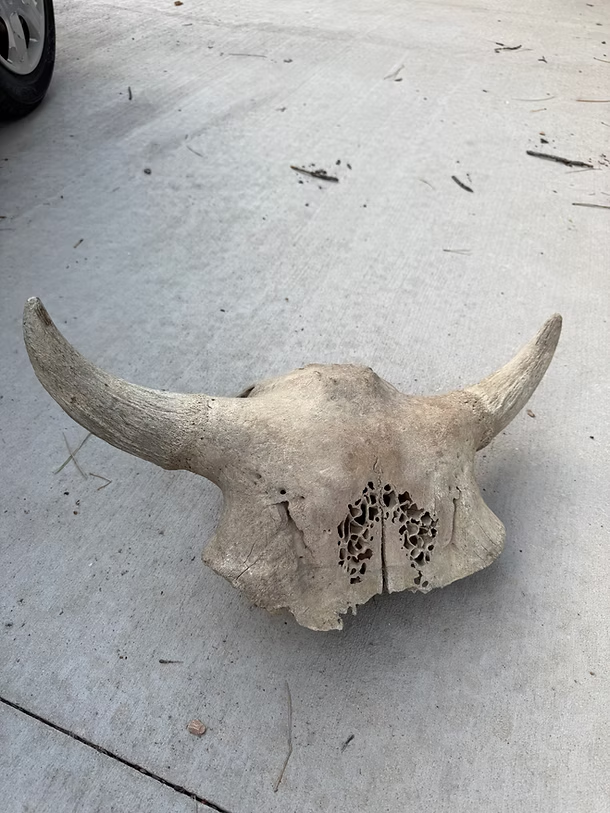
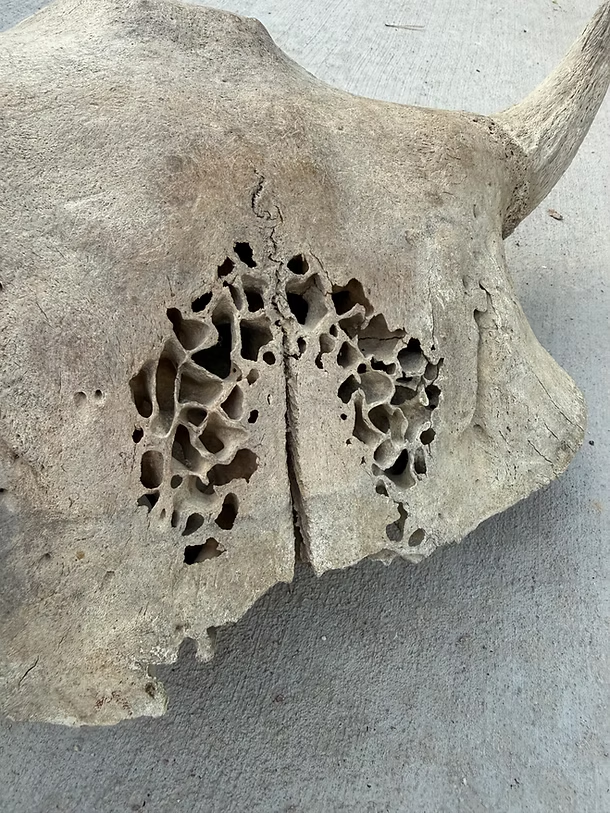
Rare Partially Fossilized Bison Skull for Sale
A partially fossilized bison skull is a remarkable piece of natural history that combines prehistoric character, scientific interest, and striking rustic display appeal. Featuring authentic fossilized bone texture, preserved horn structure, and ancient geological detail, these rare specimens are highly valued by fossil collectors, museums, wildlife enthusiasts, interior designers, and Western décor collectors.
Unlike modern decorative skulls, a partially fossilized bison skull carries visible evidence of age and mineralization developed over thousands of years. The natural transformation process creates unique coloration, hardened textures, and preserved structural details that make every fossilized specimen completely one of a kind.
Whether displayed in a museum, trophy room, luxury lodge, ranch home, office, or prehistoric-themed collection, a fossilized bison skull delivers dramatic visual impact while representing a genuine connection to North America’s ancient wildlife history.
What Is a Partially Fossilized Bison Skull?
A partially fossilized bison skull is an authentic bison skull that has undergone natural mineralization over long periods of time. During fossilization, minerals from surrounding soil and groundwater gradually replace portions of the original organic material while preserving the skull’s shape and structural details.
Unlike fully fossilized remains, partially fossilized specimens often retain a combination of:
- Original bone structure
- Mineralized fossil sections
- Natural horn material
- Ancient weathering patterns
- Geological coloration
This combination creates a visually unique specimen with both biological and prehistoric characteristics.
The Historical Significance of Bison in North America
Bison have played a vital role in North American ecosystems and human history for thousands of years. Ancient bison species once roamed the Great Plains in enormous herds and were central to the survival and culture of Indigenous peoples.
Bison symbolize:
- Strength and endurance
- Wilderness heritage
- Frontier history
- Native American culture
- Great Plains ecosystems
- Wildlife conservation
A partially fossilized bison skull preserves part of this ancient history in physical form, making it both a decorative centerpiece and a meaningful historical artifact.
Why Partially Fossilized Bison Skulls Are Highly Collectible
Partially fossilized bison skulls are highly sought after because they combine:
- Rare fossil characteristics
- Natural prehistoric beauty
- Scientific interest
- Western décor appeal
- Unique geological textures
No two fossilized skulls are exactly alike. Each specimen displays distinct patterns of mineralization, coloration, horn preservation, and weathering developed naturally over centuries or millennia.
This uniqueness greatly increases collector interest and display value.
Natural Fossilization Process
The fossilization process occurs slowly over extended periods under specific environmental conditions.
Burial and Preservation
After natural death, the skull becomes buried beneath sediment, mud, or soil layers that help protect it from rapid decay.
Mineral Absorption
Groundwater rich in minerals gradually penetrates the bone structure. Minerals such as silica, calcium, and iron begin replacing portions of the original organic material.
Structural Hardening
As mineralization progresses, parts of the skull become hardened and fossilized while maintaining their original anatomical shape.
Surface Weathering
Over time, natural erosion and geological exposure reveal the fossilized skull, often producing beautiful variations in texture and coloration.
These natural processes create the unique appearance associated with partially fossilized specimens.
Distinctive Features of Partially Fossilized Bison Skulls
Partially fossilized bison skulls are admired for several visually striking features.
Fossilized Bone Texture
Mineralization creates dense and hardened surfaces with unique natural patterns and textures.
Ancient Geological Coloration
Fossilized sections may display:
- Earth-tone browns
- Mineral reds
- Gray stone-like coloration
- Natural blackening
- Tan fossil hues
These colors result from long-term interaction with surrounding minerals and sediment.
Preserved Horn Structure
Many specimens retain portions of the original horn cores or horn shape, adding dramatic visual appeal.
Natural Weathering
Cracks, erosion marks, and surface imperfections contribute to the authentic prehistoric character of each piece.
Premium Fossil Skull Preparation
Professional preparation helps stabilize and preserve partially fossilized bison skulls for long-term display.
Cleaning and Stabilization
The specimen is carefully cleaned to remove excess debris while preserving fossil integrity.
Preparation techniques may include:
- Gentle sediment removal
- Surface stabilization
- Crack reinforcement
- Controlled preservation treatments
Display Preparation
Many fossilized bison skulls are prepared for:
- Wall mounting
- Museum pedestal display
- Glass case presentation
- Rustic shelf placement
Professional display preparation ensures both safety and aesthetic presentation.
Ideal Display Locations
A partially fossilized bison skull works beautifully in a variety of environments.
Museums and Educational Displays
Museums frequently display fossilized bison skulls to educate visitors about:
- Ice Age mammals
- North American wildlife history
- Fossilization processes
- Ancient ecosystems
The specimen provides a tangible connection to prehistoric life.
Rustic Homes and Cabins
Luxury rustic interiors benefit greatly from the natural textures and historical depth of fossilized skulls.
These pieces complement:
- Wood beam architecture
- Stone fireplaces
- Leather furnishings
- Ranch-style décor
A fossilized skull instantly becomes a dramatic focal point.
Trophy Rooms and Wildlife Collections
Collectors often incorporate fossilized skulls into wildlife collections to add:
- Historical depth
- Geological interest
- Rare prehistoric character
They pair exceptionally well with:
- Antler displays
- Taxidermy mounts
- Fossil collections
- Western artwork
Offices and Commercial Spaces
Fossilized bison skulls create unique conversation pieces in:
- Executive offices
- Western-themed restaurants
- Resorts and lodges
- Commercial galleries
- Ranch properties
Their rare appearance adds sophistication and natural history appeal.
Fossil Collecting and Scientific Interest
Partially fossilized bison skulls attract both casual collectors and serious fossil enthusiasts.
Collectors appreciate:
- Geological uniqueness
- Ancient age
- Scientific relevance
- Natural artistry
- Display rarity
Scientists and educators value these specimens because they provide insight into:
- Ancient ecosystems
- Species evolution
- Climate history
- North American megafauna
The Connection to Ice Age Wildlife
Some fossilized bison skulls may originate from ancient bison species that lived during the Pleistocene Epoch, commonly known as the Ice Age.
These ancient relatives inhabited North America alongside:
- Mammoths
- Saber-toothed cats
- Giant ground sloths
- Early horses
Owning a partially fossilized bison skull creates a direct visual connection to prehistoric wildlife history.
Interior Design Appeal
Fossilized wildlife pieces have become increasingly popular in luxury rustic and Western-inspired interior design.
Partially fossilized bison skulls add:
- Organic texture
- Historical authenticity
- Natural earth tones
- Primitive artistic character
Designers frequently combine fossil skulls with:
- Reclaimed wood
- Iron accents
- Natural stone
- Leather upholstery
- Neutral color palettes
This creates sophisticated interiors inspired by nature and history.
Why Collectors Value Fossilized Bison Skulls
Collectors are drawn to fossilized bison skulls because they represent:
- Genuine prehistoric material
- Rare natural preservation
- Geological beauty
- Ancient wildlife history
- Unique display appeal
Every fossil specimen carries natural imperfections and variations that increase individuality and authenticity.
Care and Preservation of Fossilized Skulls
Proper care helps preserve fossilized skulls for future generations.
Recommended Care Tips
- Keep indoors in stable environments
- Avoid excessive humidity
- Protect from direct sunlight
- Dust gently with a soft brush
- Avoid harsh cleaning chemicals
Proper preservation maintains both structural integrity and surface appearance.
The Growing Popularity of Natural History Décor
Natural history and prehistoric décor have become increasingly popular among:
- Interior designers
- Wildlife collectors
- Museum enthusiasts
- Ranch property owners
- Western décor collectors
Fossilized bison skulls fit naturally into this trend by combining:
- Ancient history
- Rustic elegance
- Authentic materials
- Scientific curiosity
Their uniqueness makes them highly memorable display pieces.
Educational Value of Fossilized Specimens
Beyond decoration, partially fossilized bison skulls serve as educational tools that help illustrate:
- Fossil formation
- Ancient wildlife anatomy
- Geological processes
- North American ecological history
These specimens encourage appreciation for natural history and conservation science.
Authentic Western and Frontier Aesthetic
Partially fossilized bison skulls strongly complement Western and frontier-inspired interiors because they reflect:
- Great Plains history
- Wilderness exploration
- Ranch culture
- Ancient American landscapes
Their weathered appearance adds depth and authenticity difficult to replicate with modern decorative items.
Why Designers Use Fossilized Wildlife Décor
Interior designers increasingly incorporate fossilized wildlife pieces because they:
- Create unique focal points
- Add organic texture
- Introduce historical storytelling
- Blend rustic and luxury aesthetics
- Enhance natural-themed interiors
A fossilized bison skull can anchor an entire room’s design concept.
Long-Term Collector Value
Rare fossilized wildlife specimens often maintain strong collector interest due to:
- Limited natural availability
- Scientific significance
- Historical authenticity
- Decorative uniqueness
Because each specimen is naturally unique, no two displays are ever identical.
Perfect Gift for Fossil and Wildlife Enthusiasts
A partially fossilized bison skull makes an exceptional gift for:
- Fossil collectors
- Wildlife enthusiasts
- Museum supporters
- Ranch owners
- Rustic décor lovers
- Natural history collectors
Its combination of prehistoric history and artistic display value creates a truly memorable centerpiece.
Authentic Natural History Display
Few decorative pieces offer the same level of authenticity and historical significance as a genuine partially fossilized bison skull. Each specimen tells a story spanning thousands of years of geological change, environmental transformation, and North American wildlife evolution.
The fossilized textures, preserved horn structure, and ancient weathering patterns make these skulls both visually dramatic and scientifically fascinating.
Shop Rare Partially Fossilized Bison Skulls
Explore rare partially fossilized bison skulls featuring authentic prehistoric detail, natural horn structure, and professionally preserved fossil characteristics. Ideal for museums, rustic interiors, trophy rooms, ranch homes, wildlife collections, educational displays, and luxury Western décor, these unique specimens combine ancient history with exceptional natural beauty.
Whether you are expanding a fossil collection, designing a rustic luxury interior, or searching for an authentic prehistoric centerpiece, a partially fossilized bison skull delivers unmatched historical character, geological artistry, and timeless display appeal inspired by North America’s ancient wilderness.
Reviews
There are no reviews yet.