

Description
Big Mule Deer Bucks: The Ultimate Guide to Giant Mule Deer, Trophy Hunting, Size, and Stunning Photos
What Makes Big Mule Deer Bucks So Special?
Few animals in North America capture the imagination of hunters quite like big mule deer bucks. These legendary deer are symbols of rugged wilderness, patience, skill, and persistence. A mature mule deer buck with massive antlers moving silently across a mountain ridge is one of the most unforgettable sights in the hunting world. Hunters spend years studying terrain, weather, feeding habits, and migration patterns just for the chance to encounter one truly giant buck.
The fascination with mule deer big bucks goes far beyond hunting alone. Wildlife photographers, outdoor enthusiasts, and conservationists are equally captivated by their impressive appearance and unique behavior. Large mule deer bucks represent survival at the highest level. They thrive in harsh climates, evade predators, and adapt to rugged environments ranging from desert canyons to snow-covered alpine basins.
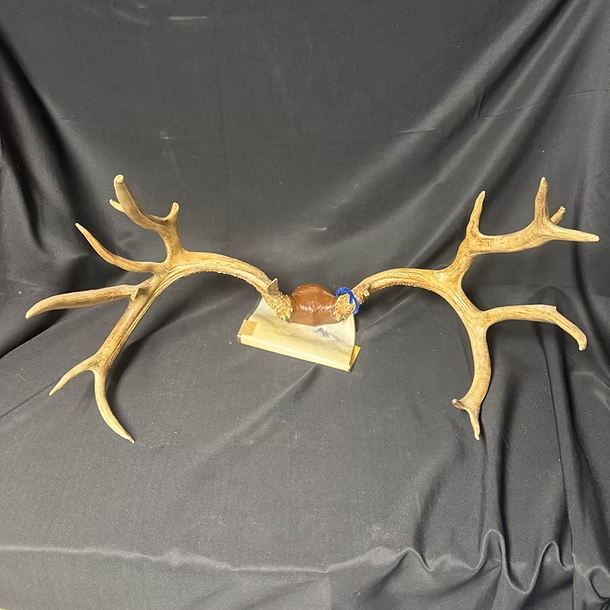
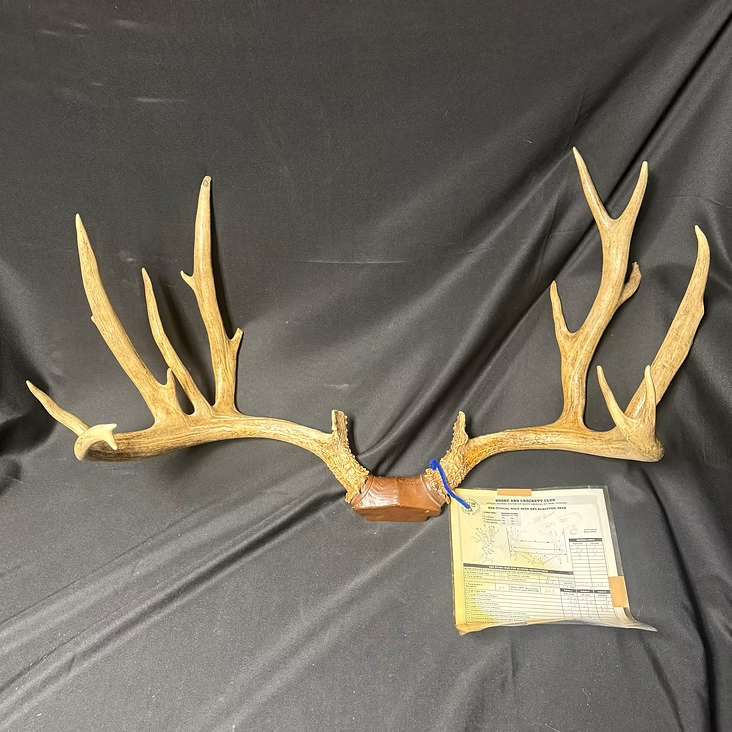
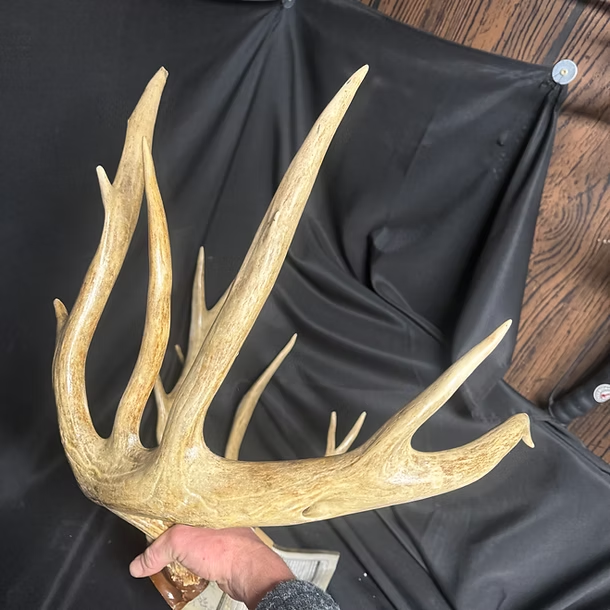
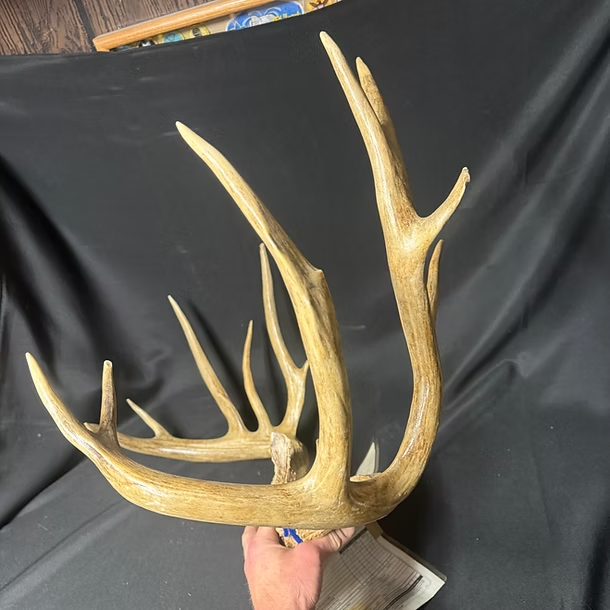
Part of what makes a big mule deer buck so iconic is the antler structure. Unlike whitetails, mule deer antlers fork repeatedly, creating a wide and symmetrical frame that can become enormous in mature animals. Heavy mass, deep forks, long tines, and wide spreads all contribute to the trophy appeal. Some giant bucks almost look mythical when viewed from a distance, like creatures carved out of the mountains themselves.
Another reason people are obsessed with mule deer is unpredictability. A mature buck can disappear into rough country for months and suddenly appear in the most unexpected place. This mystery creates a level of excitement that keeps hunters returning season after season. Pursuing a giant mule deer is not simply a hobby. For many outdoorsmen, it becomes an obsession fueled by challenge, respect, and the dream of finally spotting that once-in-a-lifetime buck.
Understanding How Big Mule Deer Get
One of the most common questions hunters ask is, how big do mule deer get? The answer depends on genetics, habitat quality, nutrition, age, and regional conditions. Mule deer can grow surprisingly large compared to many other deer species, especially in western states and Canadian provinces where conditions support mature age classes.
Adult mule deer bucks commonly weigh between 150 and 300 pounds, but exceptionally large bucks can exceed 350 pounds in prime habitat. Body size varies significantly depending on geography. Desert mule deer in arid regions are usually smaller, while mountain mule deer feeding in rich agricultural or alpine environments often reach impressive body weights.
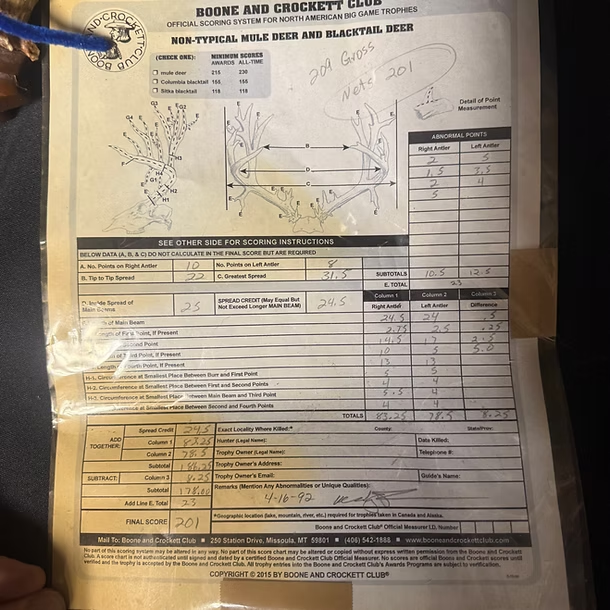
Antler growth is where mule deer truly become legendary. Mature bucks can produce antlers stretching well beyond 30 inches wide. Trophy-class bucks often score over 170 inches, while truly giant bucks may surpass 200 inches using the Boone and Crockett scoring system. These massive antlers are what hunters dream about during long scouting trips and early morning glassing sessions.
Nutrition plays a critical role in antler development. Mule deer feeding on nutrient-rich vegetation, agricultural crops, and healthy browse have greater potential for heavy antler growth. Harsh winters, drought, habitat destruction, and overhunting can reduce the number of mature bucks reaching their full potential. That is why wildlife management and conservation efforts are so important for maintaining healthy mule deer populations.
Age is another major factor. A buck usually reaches peak antler growth between five and eight years old. Younger bucks may show impressive genetics, but mature deer carry the heavy mass and deep forks that define giant trophies. Hunters often compare mature mule deer to heavyweight prizefighters. They look thicker, stronger, and more experienced than younger animals, with larger necks, muscular shoulders, and confident body posture.
The Habitat of Big Mule Deer
The habitat where mule deer live is just as impressive as the animals themselves. Big mule deer are found throughout western North America, thriving in environments that range from dry deserts to high mountain forests. Their adaptability is remarkable, but the largest bucks are usually associated with areas offering quality food, water, cover, and limited hunting pressure.
Mountain regions are especially famous for producing giant mule deer. Alpine basins, aspen ridges, sagebrush flats, and rugged canyons provide ideal conditions for mature bucks to survive. These areas often contain hidden pockets where old bucks can avoid human activity and predators. Hunters who pursue giant mule deer frequently spend days hiking steep terrain just to locate a single mature buck.
Agricultural zones near natural cover also produce enormous deer. Alfalfa fields, winter wheat, and irrigated farmland provide high-quality nutrition that supports antler growth. Bucks feeding in these areas often grow heavier bodies and larger antlers compared to deer living in poor habitat conditions.
Weather also shapes mule deer behavior and survival. Harsh winters can dramatically affect populations, especially in northern regions. Deep snow limits food access and increases stress on deer herds. At the same time, moderate winters and healthy spring moisture often lead to improved antler growth because vegetation becomes richer and more abundant.
Water availability is another critical factor. In dry western states, water sources act like magnets for mule deer. Springs, creeks, and stock ponds become essential survival points. Hunters frequently glass water-adjacent terrain during early-season scouting because mature bucks often stay close to reliable hydration sources.
Why Hunters Obsess Over Mule Deer Big Bucks
There is something almost mythical about chasing mule deer big bucks. Unlike hunting heavily patterned animals, mule deer often behave unpredictably, especially older bucks that have survived years of hunting pressure. They move cautiously, use terrain intelligently, and disappear into landscapes that seem impossible to navigate.
Spot-and-stalk hunting is one of the biggest reasons hunters become addicted to mule deer hunting. Instead of sitting in tree stands for hours, mule deer hunters spend long days glassing distant ridges and carefully planning stalks across open country. It becomes a physical and mental chess match between hunter and deer.
Patience is everything. Hunters may spend several days watching a single mature buck before attempting a stalk. Wind direction, thermals, sunlight, and terrain all influence the strategy. One mistake can send a giant buck disappearing into another canyon, sometimes never to be seen again.
The visual experience also fuels the obsession. Watching a giant mule deer step out against a mountain skyline feels cinematic. The huge ears, heavy body, and towering antlers create a silhouette unlike any other deer species. Many hunters say the first time they spot a true giant mule deer through binoculars is something they never forget.
Another reason for the fascination is rarity. Mature trophy bucks are difficult to find because most deer do not survive long enough to reach advanced age. A giant buck represents years of survival against predators, harsh weather, and hunting pressure. That rarity makes every encounter feel meaningful.
Big Mule Deer Photos and Why They Inspire Hunters
The internet is flooded with big mule deer photos that inspire hunters worldwide. Massive bucks standing beside proud hunters or photographed naturally in the wild create excitement and motivation for future hunting seasons. These images often spread rapidly across social media because giant mule deer capture attention instantly.
Photos of mature mule deer also help hunters learn what to look for in the field. Experienced hunters study body posture, antler characteristics, ear width, and neck thickness to estimate age and trophy potential. Looking at hundreds of big mule deer pictures sharpens a hunter’s ability to judge bucks quickly during real hunting situations.
Wildlife photographers play a huge role in documenting these animals as well. Capturing a giant mule deer on camera often requires tremendous patience and understanding of deer behavior. Some photographers spend weeks tracking specific bucks during rutting periods or migration routes to get the perfect image.
The emotional impact of these photos is powerful. They represent adventure, hard work, and respect for nature. Many hunters display pictures of big mule deer in cabins, garages, and hunting camps as motivation and inspiration. Looking at giant bucks during the offseason helps maintain excitement while preparing for the next hunt.
Social media has also increased awareness of trophy mule deer regions. States like Utah, Colorado, Wyoming, Arizona, Nevada, and Alberta have become famous for producing giant bucks. Hunters constantly share trail-camera images and field photos that showcase the incredible potential of western mule deer genetics.
Scouting Strategies for Finding Big Mule Deer Bucks
Finding big mule deer bucks requires preparation, patience, and a willingness to spend countless hours outdoors. Successful mule deer hunters often spend more time scouting than actually hunting because locating mature bucks is the hardest part of the process.
Glassing is the foundation of mule deer scouting. Hunters use high-powered binoculars and spotting scopes to scan ridges, basins, and feeding areas from long distances. Early morning and late evening are especially productive because bucks are more active during cooler temperatures.
Terrain analysis is equally important. Mature mule deer prefer areas with escape routes and visibility advantages. Steep cliffs, broken rock formations, thick sagebrush pockets, and timber edges often hold older bucks because they provide security from predators and hunters.
Trail cameras have become valuable scouting tools as well. Strategic camera placement near water sources, migration corridors, and feeding zones helps hunters monitor deer movement patterns. While trail cameras do not guarantee success, they provide insight into buck age structure and activity timing.
Weather conditions can dramatically influence scouting success. Cold fronts, early snowstorms, and rutting periods often increase buck movement. Experienced hunters monitor weather forecasts carefully because mature bucks may become visible during changing conditions.
The Best States for Big Mule Deer
Certain regions consistently produce giant mule deer thanks to strong genetics, habitat quality, and wildlife management programs. Hunters dreaming about harvesting a trophy buck often focus their attention on these famous destinations.
| State/Province | Trophy Potential | Habitat Type |
|---|---|---|
| Colorado | Excellent | Mountains and sagebrush |
| Utah | Excellent | Desert and alpine terrain |
| Arizona | Outstanding | Desert mule deer habitat |
| Wyoming | Very High | Open plains and mountains |
| Nevada | Exceptional | Remote desert regions |
| Alberta | Elite | Agricultural and prairie habitat |
Colorado remains one of the most popular mule deer destinations because of its massive public land opportunities and healthy deer populations. Utah and Arizona are legendary for producing giant desert mule deer with impressive antler width and mass.
Nevada has gained a near-mythical reputation among trophy hunters because limited tags and strict management have helped preserve mature age-class bucks. Alberta is another giant-buck hotspot where agricultural nutrition supports extremely large-bodied deer.
Hunting Tactics for Mature Mule Deer Bucks
Hunting mature mule deer requires flexibility and discipline. Giant bucks rarely follow predictable routines, which means hunters must constantly adapt their strategies.
Spot-and-stalk hunting remains the most effective tactic in open western terrain. Hunters locate bucks from a distance, study movement patterns, and plan careful approaches using terrain for cover. Success often depends on controlling wind direction and remaining patient during the final approach.
Still-hunting through timber can also be productive during colder weather or migration periods. Bucks seeking shelter from storms frequently move into thicker cover where visibility becomes limited. Hunters moving slowly and quietly through these areas sometimes encounter mature deer at close range.
The rut offers another excellent opportunity. During breeding season, mature bucks become more active and less cautious while searching for does. Hunters who understand rut timing can dramatically increase their chances of spotting giant bucks during daylight hours.
Physical conditioning is essential for western mule deer hunting. Pursuing trophy bucks often involves steep climbs, long hikes, and difficult weather conditions. Hunters who prepare physically usually perform better when opportunities finally appear.
Conservation and the Future of Big Mule Deer
Protecting big mule deer populations is critical for the future of western hunting traditions. Mule deer face increasing challenges from habitat loss, urban expansion, drought, disease, predators, and vehicle collisions.
Conservation organizations and wildlife agencies continue working to improve habitat quality and migration corridors. Controlled burns, water projects, fencing improvements, and responsible wildlife management all help support healthy mule deer populations.
Hunters themselves play an important role in conservation through license fees, excise taxes, and habitat initiatives. Ethical hunting practices help maintain balanced populations while preserving opportunities for future generations.
Climate change is becoming another important issue. Drought conditions can reduce vegetation quality and increase stress on mule deer herds. Wildlife managers are closely monitoring these impacts while developing strategies to protect critical habitat areas.
The future of mule deer hunting depends on responsible stewardship. Preserving large landscapes, migration routes, and healthy ecosystems will help ensure future hunters continue experiencing the thrill of seeing giant bucks in wild country.
Conclusion
The fascination with big mule deer bucks continues growing because these animals represent the very essence of western wilderness. Their massive antlers, rugged habitat, unpredictable behavior, and incredible survival instincts make them one of the most respected game animals in North America.
From understanding how big do mule deer get to studying big mule deer photos and scouting remote mountain basins, the pursuit of giant mule deer becomes more than a seasonal activity. It becomes a lifelong passion fueled by challenge, adventure, and respect for nature.
Whether you admire pictures of big mule deer, dream about harvesting your first mature buck, or simply appreciate wildlife conservation, mule deer remain icons of the American West. Their presence in rugged landscapes reminds hunters and outdoor enthusiasts that true wilderness still exists, and somewhere beyond the next ridge, a giant buck may still be waiting.
Reviews
There are no reviews yet.