

Description
Antelope Roan: The Ultimate Guide to Roan Antelope Hunting, Habitat, and Trophy Hunts
The roan antelope stands among Africa’s most majestic and powerful plains game animals. With its muscular build, striking facial markings, and sweeping curved horns, this incredible species commands respect from wildlife enthusiasts and hunters alike. For many experienced safari hunters, pursuing an antelope roan is considered a once-in-a-lifetime achievement because of the animal’s rarity, intelligence, and physical toughness. Unlike more common African antelope species, the roan carries an almost mythical reputation in the hunting world. It is elusive, highly alert, and often found in remote savanna regions where patience and precision become essential.
Interest in roan antelope hunting has increased dramatically over the last decade. Hunters are not only traveling to Africa for guided safaris but are also exploring premium texas roan antelope hunts offered on large exotic game ranches. Texas has become one of the leading destinations for exotic African game experiences outside the African continent, giving hunters year-round access to trophy-quality roan antelope. Several modern ranches now provide luxury accommodations, guided stalks, and personalized safari-style experiences that rival traditional African hunts.
The fascination with roan antelope hunts goes far beyond the trophy itself. Hunters admire the species because it combines beauty, strength, intelligence, and danger in one animal. Mature bulls are known to defend their territory aggressively and can become extremely dangerous when wounded. This adds a layer of excitement and adrenaline that separates the roan from ordinary plains game species. Whether you are researching wildlife, preparing for your first African safari, or considering one of the many premium roan antelope hunts available in Texas or Southern Africa, this guide covers everything you need to know.
Understanding the Roan Antelope
The roan antelope belongs to the Hippotraginae family and carries the scientific name Hippotragus equinus. It is regarded as one of Africa’s largest antelope species and is closely related to the sable antelope. Native to the savannas and open woodlands of sub-Saharan Africa, the roan has developed a reputation for being both resilient and highly adaptable. Adult males can weigh between 500 and 660 pounds, making them one of the heaviest antelope species found on the African plains.
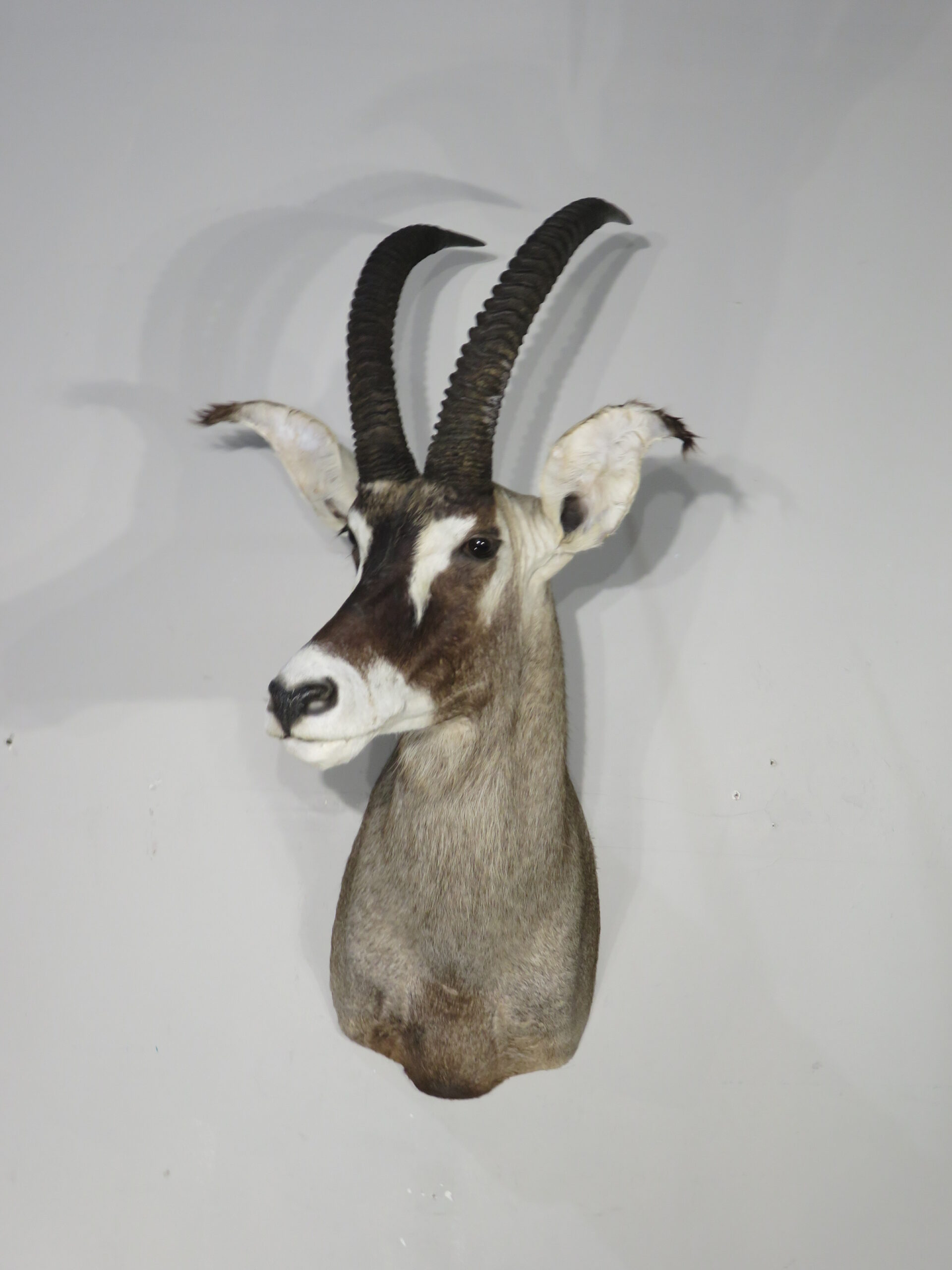
One of the first things people notice about an antelope roan is its unforgettable appearance. The coat carries a reddish-gray or sandy-brown coloration, often referred to as “roan,” which inspired the species’ common name. Black-and-white facial markings create a mask-like appearance that immediately distinguishes the animal from other antelope species. Their ears are unusually long and tufted, giving them exceptional hearing and helping them detect predators from long distances.
Origins and Scientific Classification
The roan antelope exists across several African regions, including Western, Central, Eastern, and Southern Africa. Wildlife experts recognize multiple subspecies depending on geography and genetics. The Southern Roan is the most commonly hunted variety in modern safari operations because of its stable population and availability on managed reserves.
Unlike some antelope that prefer dense forests, roans favor open grasslands mixed with lightly wooded areas. Their strong bodies and long legs allow them to travel considerable distances while grazing. Evolution has equipped them for survival in environments where predators such as lions, hyenas, and wild dogs constantly threaten their herds.
Physical Appearance and Distinctive Features
The sheer physical power of the roan antelope is breathtaking. Mature bulls possess thick necks, muscular shoulders, and large ringed horns that curve backward dramatically. Both males and females grow horns, although male horns tend to be significantly heavier and longer. Trophy hunters often measure horn size carefully because horn dimensions play a major role in safari scoring systems.
Horn Structure and Coat Color
Roan antelope horns commonly range between 24 and 28 inches on managed ranches, though exceptional specimens may exceed these averages. The horns feature ridged rings at the base and smooth curves toward the tips, creating an elegant yet intimidating appearance. Hunters often compare the horns to polished scimitars because of their dramatic sweep.
Their coat coloration also changes slightly with age and environmental conditions. Younger roans usually appear lighter in color, while mature bulls develop darker and richer tones. Combined with black facial masks and white cheek patches, the overall appearance gives the species a regal look rarely matched by other African antelope.
Natural Habitat and Distribution
The natural range of the roan antelope stretches across large portions of Africa. These animals prefer savannas, rolling grasslands, and lightly wooded plains where visibility allows them to detect predators early. Countries such as South Africa, Namibia, Zambia, Zimbabwe, Botswana, and Tanzania all support healthy populations in protected reserves and private game ranches.
Unlike mountain-dwelling species that thrive in rugged terrain, roans prefer moderately open environments with abundant grazing opportunities. Water access also plays a crucial role in habitat selection because roans require regular hydration, especially during hotter months. Areas with seasonal rainfall and quality grass cover tend to produce healthier and larger trophy bulls.
African Regions Where Roan Antelope Thrive
Southern Africa remains one of the best locations for premium roan antelope hunting experiences. Namibia and South Africa, in particular, have invested heavily in wildlife management and private conservation programs. Modern hunting ranches carefully regulate populations to maintain healthy genetics and trophy quality.
In Zambia and Zimbabwe, hunters often pursue roans in more remote wilderness areas. These safaris deliver a more traditional African hunting experience involving extensive tracking, long stalks, and physically demanding terrain. Such hunts often attract experienced hunters seeking a greater challenge rather than convenience.
Adaptation to Grasslands and Savannas
Roans are remarkably adaptable animals. Their bodies are built for endurance rather than pure speed, although they can still reach impressive running speeds when threatened. Experts report that roans can sprint at approximately 35 miles per hour when escaping predators.
Another fascinating trait involves their defensive behavior. Unlike some antelope species that flee immediately, roans occasionally stand their ground when cornered. Mature bulls can become aggressive and may charge predators or hunters if wounded. This defensive nature contributes significantly to their reputation as a dangerous game animal despite technically belonging to the plains game category.
Behavior and Social Structure
Understanding roan behavior is essential for anyone interested in wildlife observation or roan antelope hunts. These animals are highly social and usually live in structured herds led by a dominant bull. Herds commonly contain five to fifteen females alongside calves and juveniles, while younger males often form bachelor groups until mature enough to challenge dominant bulls.
Territorial disputes between bulls can become surprisingly violent. During breeding seasons, mature bulls kneel before one another and clash horns in dramatic battles that determine herd leadership. These fights are displays of raw power and endurance, sometimes ending with severe injuries.
Herd Dynamics and Territorial Bulls
Dominant bulls maintain control by constantly monitoring herd movement and defending territory boundaries. They communicate through body language, vocalizations, and scent marking. Hunters often describe roans as extremely intelligent because they quickly detect unusual movement or human scent.
One interesting behavioral trait is the variety of sounds roans produce. Wildlife experts note that they make high-pitched squeals when agitated, snorting noises when alarmed, and low hissing sounds when injured. These vocalizations help herd members communicate danger quickly across open terrain.
Feeding Patterns and Daily Activity
Roans are primarily grazers, feeding on medium-height grasses throughout the day. Early mornings and late afternoons tend to be the most active feeding periods, especially in warmer climates. During midday heat, herds usually rest in shaded areas to conserve energy.
Because of their feeding habits, hunters and guides often locate roans near grass-rich valleys, waterholes, and open plains. Successful roan antelope hunting frequently depends on understanding these movement patterns and anticipating where herds will travel during different times of day.
Why the Roan Antelope Is a Trophy Species
Among African plains game animals, the roan antelope holds elite status. Hunters value the species because it combines rarity, difficulty, physical beauty, and danger. Unlike common antelope species that may be harvested in large numbers, trophy-quality roans are relatively scarce and highly managed on private reserves.
Modern safari scoring systems also elevate the prestige of harvesting a mature roan bull. Safari Club International recognizes exceptional roan trophies based on horn length and circumference measurements. According to hunting sources, the SCI minimum score for roan antelope begins around 67 inches combined horn measurement.
Trophy Measurements and Hunter Interest
The appeal of roan antelope hunts lies partly in the challenge. Roans possess excellent eyesight, sensitive hearing, and strong herd instincts. Approaching within ethical shooting distance requires careful planning, wind management, and patience.
Hunters pursuing trophy bulls often spend days tracking herds across difficult terrain. Unlike deer hunting from fixed blinds, roan hunting frequently involves active stalking and extensive movement. This physical element attracts hunters who prefer immersive safari-style adventures.
| Feature | Roan Antelope | Sable Antelope |
|---|---|---|
| Average Weight | 500–660 lbs | 450–600 lbs |
| Horn Shape | Curved backward | Longer sweeping curve |
| Habitat | Savannas and grasslands | Wooded savannas |
| Temperament | Aggressive when wounded | Extremely territorial |
| Trophy Popularity | Rare and premium | Highly prestigious |
Comparing Roan Antelope to Other African Antelope
Hunters often compare the roan to sable antelope because both species belong to the same family and share similar body structures. While sable antelope are famous for darker coloration and longer horns, roans are admired for their rugged appearance and heavier body mass.
Some hunters actually consider roans more challenging because they inhabit open terrain where concealment becomes difficult. Their constant alertness and herd coordination create a level of difficulty that many safari enthusiasts deeply respect.
Roan Antelope Hunting Explained
Successful roan antelope hunting requires preparation, discipline, and strategy. These animals are not easily harvested, especially mature bulls with strong genetics and developed instincts. Hunters must account for wind direction, visibility, terrain, and herd movement while maintaining patience throughout the stalk.
Professional guides often recommend medium-to-large caliber rifles because roans are heavily built animals capable of absorbing poor shots. Ethical hunting practices emphasize accurate shot placement to ensure quick and humane harvests.
Best Hunting Methods and Strategies
Several methods are commonly used during roan antelope hunts. Spot-and-stalk remains the most traditional and exciting option because it demands skill and movement. Hunters glass distant herds using binoculars before carefully closing the distance using terrain for cover.
Blind hunting is another popular method, especially near watering areas where roans gather regularly. Bow hunting adds another level of difficulty because hunters must approach extremely close without detection.
Rifle Hunting vs Bow Hunting
Rifle hunting remains the preferred method for most hunters pursuing large roan bulls. The animal’s size and durability require sufficient stopping power to ensure ethical harvests. Many outfitters recommend centerfire rifles capable of deep penetration and reliable accuracy.
Bow hunting, however, delivers a more intimate and adrenaline-filled experience. Hunters must get within close range while remaining completely undetected. This often involves hours of waiting near waterholes or carefully navigating thick cover.
Shot Placement and Ethical Hunting
Ethical hunting practices are critical when pursuing roans. Experts recommend aiming at the lower third of the shoulder area to target heart and lungs effectively. Because roans are powerful animals, poor shot placement may result in dangerous tracking situations.
Professional guides strongly discourage risky head or neck shots. Responsible hunters understand that patience and precision matter far more than rushing an opportunity.
Texas Roan Antelope Hunts
Over the past two decades, texas roan antelope hunts have exploded in popularity. Large exotic game ranches throughout Texas now offer world-class safari experiences featuring African species such as roan, sable, kudu, and addax. These ranches replicate African hunting environments surprisingly well, allowing hunters to experience exotic game pursuits without international travel.
Several Texas ranches now market year-round guided roan antelope hunts with luxury lodging, gourmet meals, and customized hunting packages.
Why Texas Became a Hub for Exotic Hunts
Texas offers unique advantages for exotic game management. Large private ranches, favorable climate conditions, and strong wildlife investment have transformed the state into a global exotic hunting destination. Because exotic species on private land are managed differently from native wildlife, many ranches can offer year-round hunting opportunities.
Hunters appreciate the convenience and flexibility of Texas operations. Instead of booking lengthy international safaris, they can pursue trophy roans domestically while still enjoying high-quality accommodations and professional guiding services.
Cost and Experience of Texas Roan Antelope Hunts
Premium texas roan antelope hunts are considered luxury hunting experiences. Trophy fees often range from $24,000 to $30,000 depending on horn size, ranch reputation, and package inclusions.
Many ranches include:
- Guided hunting services
- Lodging and meals
- Transportation around the ranch
- Trophy care and field dressing
- Access to additional ranch activities
Some operations even feature high-end lodges, fishing, cave exploration, shooting ranges, and luxury entertainment experiences that resemble five-star resorts rather than traditional hunting camps.
Planning Successful Roan Antelope Hunts
Planning successful roan antelope hunts begins with selecting the right outfitter. Hunters should evaluate ranch size, herd quality, guide experience, accommodations, and ethical management practices before booking.
The best outfitters maintain strong conservation programs and transparent pricing structures. They also provide realistic expectations regarding trophy quality and hunt difficulty rather than making exaggerated promises.
Choosing the Right Hunting Ranch or Outfitter
A quality outfitter dramatically improves hunting success. Experienced guides understand animal behavior, movement patterns, and local terrain. They can identify mature bulls, position hunters effectively, and ensure ethical shot opportunities.
Hunters should also ask important questions before booking:
| Question | Why It Matters |
|---|---|
| Is the hunt fair chase? | Ensures ethical standards |
| How large is the property? | Impacts hunt realism |
| What is included in pricing? | Avoids hidden costs |
| Are guides experienced with roans? | Increases success rates |
| What caliber is recommended? | Ensures proper preparation |
Best Seasons and Weather Conditions
Although Texas exotic hunts often operate year-round, African safaris typically follow seasonal schedules. In countries such as Zambia, hunting seasons commonly run between May and November because weather conditions improve visibility and access.
Dry seasons generally provide the best opportunities because animals concentrate near water sources. Sparse vegetation also makes spotting herds easier during stalking situations.
Roan Antelope Conservation and Population
Wildlife conservation plays a major role in the future of the roan antelope. Although certain populations remain stable under professional management, habitat loss and poaching have negatively impacted wild herds in some African regions.
Private reserves and controlled hunting operations now contribute heavily to conservation funding. Revenue generated through hunting licenses, safari fees, and wildlife tourism helps preserve habitat and maintain breeding programs.
Population Trends and Wildlife Management
Current wildlife estimates place global roan populations at roughly 76,000 animals, though regional numbers vary significantly. Conservation organizations continue working with governments and private landowners to protect key habitats and prevent population decline.
Managed breeding programs on ranches in Africa and Texas have also helped stabilize trophy-quality genetics. These efforts ensure future generations can continue appreciating this iconic species.
Conservation Through Ethical Hunting
Ethical hunting often plays an unexpected role in wildlife protection. Well-regulated hunting operations generate substantial funding for anti-poaching initiatives, habitat preservation, and local economies. Hunters essentially become contributors to conservation when participating in properly managed safari programs.
This model has proven especially effective in countries where wildlife competes with agriculture and expanding human populations. Without economic incentives tied to wildlife conservation, many habitats would likely disappear entirely.
Conclusion
The antelope roan represents one of the most respected and admired trophy animals in the hunting world. Its immense strength, striking appearance, and elusive behavior create an unforgettable challenge for hunters and wildlife enthusiasts alike. Whether roaming the vast savannas of Africa or thriving on carefully managed ranches in Texas, the roan antelope continues to symbolize prestige, adventure, and raw wilderness.
Modern interest in roan antelope hunting keeps growing because hunters seek experiences that combine excitement, ethics, and conservation. From luxury texas roan antelope hunts to rugged African safaris, opportunities to pursue these magnificent animals have never been more diverse. At the same time, wildlife management programs and conservation-focused hunting operations help ensure the species remains protected for future generations.
For serious hunters, few trophies command the same level of respect as a mature roan bull. The pursuit demands patience, skill, endurance, and precision. That challenge is exactly what makes the roan antelope one of the greatest achievements in modern safari hunting.
Reviews
There are no reviews yet.