

Description
White Raccoon Dog: Complete Guide to Appearance, Habitat, Behavior, Culture, and Fascinating Facts
Introduction
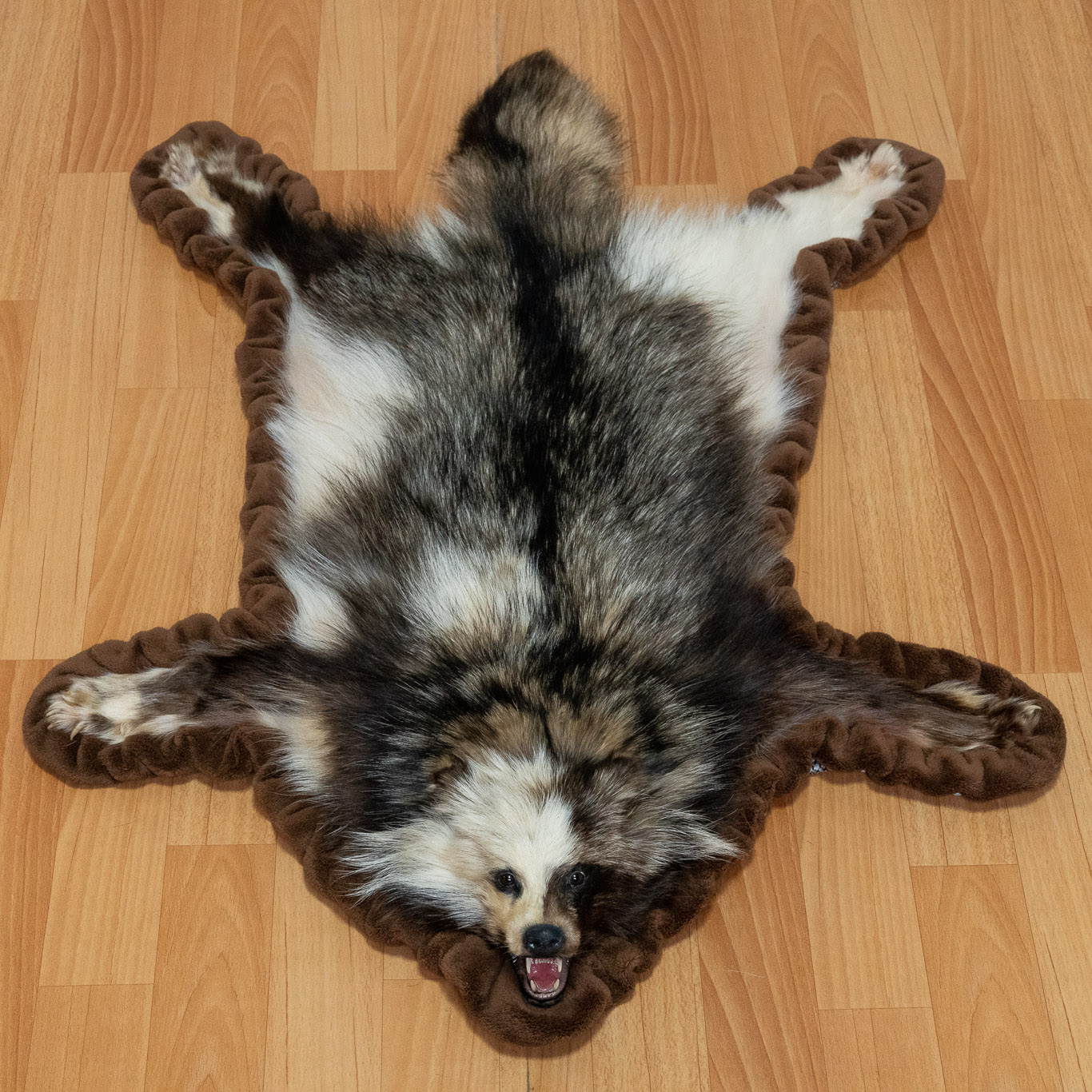
The white raccoon dog is one of the most intriguing and visually captivating animals in the canine world. With its fluffy appearance, masked facial features, and unusual resemblance to both raccoons and dogs, it frequently creates confusion among animal enthusiasts. Despite its name, a raccoon dog is neither a raccoon nor a domesticated dog. It belongs to a unique species within the canine family and possesses characteristics that make it stand apart from wolves, foxes, and ordinary dogs.
Interest in raccoon dogs has increased significantly across the world over the last decade. Wildlife researchers, animal lovers, content creators, and people fascinated by rare species continue to explore information surrounding these animals. The white variation is particularly attractive because its pale coloration creates a striking and uncommon appearance.
Many people discover raccoon dogs through Japanese folklore, animal videos, stuffed toys, or themed costumes. Others encounter discussions involving wildlife control techniques, pet interactions, and environmental concerns. Regardless of the reason, the white raccoon dog continues to attract attention for its appearance, mystery, and cultural relevance.
This comprehensive guide explores the origin, characteristics, habitat, behavior, Japanese significance, wildlife concerns, and many fascinating facts about this remarkable creature.
Understanding the White Raccoon Dog
The white raccoon dog is a rare variation of the species scientifically known as Nyctereutes procyonoides. This animal belongs to the Canidae family, which includes wolves, foxes, jackals, and domestic dogs.
Although raccoon dogs possess facial markings resembling raccoons, they are biologically unrelated to true raccoons.
Main physical characteristics
White raccoon dogs often possess:
- Thick white or cream-colored fur
- Dense undercoat
- Rounded ears
- Compact body
- Bushy tail
- Dark eyes in some variations
- Black facial markings
Their fur is exceptionally thick, allowing them to survive cold climates and winter conditions.
The white coat may develop because of selective breeding, genetic variation, or pigmentation differences.
Difference between white and albino variations
People commonly confuse white raccoon dogs with an albino raccoon dog.
However, these are not always identical.
A standard white raccoon dog usually has:
- Normal pigmentation
- Dark eyes
- Dark nose
- Functional melanin levels
An albino raccoon dog typically displays:
- Pink eyes
- Pink skin
- Lack of pigmentation
- Genetic melanin deficiency
Albino animals are significantly rarer and usually face greater challenges in nature due to vision sensitivity and reduced camouflage.
Habitat and Distribution
Raccoon dogs naturally inhabit several regions throughout Asia and parts of Europe. Their adaptability allows them to survive across various environments.
Common habitats include
Forest environments
Forests provide:
- Shelter
- food sources
- nesting areas
- protection from predators
Wetlands
Wetlands offer:
- insects
- fish
- frogs
- plant material
Grasslands
Grasslands support hunting opportunities for small animals and birds.
Agricultural zones
Some raccoon dogs live near human settlements because food becomes easier to obtain.
Countries with large populations include:
- China
- Russia
- Korea
- Japan
- Finland
- Germany
- Sweden
- Poland
The racoon dog japan population has become particularly famous because of the animal’s deep cultural and historical significance.
White Raccoon Dog Appearance Across Seasons
The appearance of raccoon dogs changes throughout the year.
Summer appearance
During warmer months:
- Fur becomes thinner
- Body weight reduces
- Coat appears less fluffy
Winter appearance
Winter causes significant transformation:
- Thick fur growth
- Increased body fat
- Fuller tail appearance
- Enhanced insulation
The winter coat is often when the white raccoon dog appears most attractive and visually impressive.
Behavior and Lifestyle
Raccoon dogs possess unique behaviors that differ from ordinary dogs.
Social structure
Unlike many canines, raccoon dogs commonly form stable pair relationships.
Pairs often:
- hunt together
- raise offspring together
- defend territories
This behavior distinguishes them from several other wild canine species.
Activity patterns
Most raccoon dogs are:
- nocturnal
- active during twilight hours
Daytime activity typically decreases to avoid predators and human interaction.
Feeding behavior
Raccoon dogs are omnivores.
Their diet includes:
- rodents
- birds
- insects
- fish
- eggs
- fruits
- berries
- plants
Their flexible diet contributes greatly to survival in diverse environments.
White Raccoon Dog Reproduction
Mating seasons vary according to climate and geographic location.
Breeding cycle
Typical reproductive stages include:
Courtship
Male and female raccoon dogs develop pair bonds.
Pregnancy
Pregnancy generally lasts approximately two months.
Birth
Female raccoon dogs may give birth to:
- 4–8 pups
- occasionally larger litters
Both parents frequently contribute to raising offspring.
Male involvement in pup care is more developed than in several other canine species.
Japanese Influence and Cultural Importance
The racoon dog japan connection extends far beyond wildlife biology.
In Japan, raccoon dogs are known as Tanuki.
The japanese dog raccoon has existed in folklore for centuries.
Traditional symbolism
Tanuki commonly symbolize:
- good fortune
- prosperity
- happiness
- transformation
- humor
Traditional statues often display Tanuki carrying objects such as:
- hats
- sake bottles
- scrolls
Restaurants and businesses sometimes place these statues near entrances to attract luck and success.
Mythological stories
Japanese folklore portrays the japanese dog raccoon as a magical creature possessing shape-shifting abilities.
Stories describe Tanuki transforming into:
- humans
- objects
- monks
- animals
Modern anime and entertainment continue incorporating these legendary themes.
Human Encounters with White Raccoon Dogs
Human interaction with raccoon dogs occurs in multiple situations.
Examples include:
- wildlife observation
- photography
- conservation efforts
- agriculture
- urban encounters
As urban areas expand, contact between wildlife and humans continues increasing.
Potential conflicts
Occasionally raccoon dogs may:
- search garbage bins
- enter farms
- consume poultry eggs
- disturb gardens
Wildlife professionals sometimes implement management methods to reduce conflict.
Wildlife Management and Trapping Considerations
Wildlife control discussions often involve raccoons and similar species.
One commonly mentioned tool is the dog proof raccoon trap.
A dog proof raccoon trap is specifically designed to target raccoons while reducing accidental capture of pets and non-target animals.
The design minimizes risks for domestic dogs.
Many property owners and wildlife professionals discuss trapping raccoons with dog proof traps because they provide selective capture methods.
Benefits include:
- improved targeting
- reduced non-target captures
- practical operation
However, local wildlife laws should always be followed before using traps.
Professional guidance remains important.
Understanding raccoon and dog Interactions
Questions involving raccoon and dog encounters are common among pet owners.
Dogs naturally become curious about wildlife.
Possible outcomes include:
Peaceful encounters
Sometimes dogs simply observe raccoons from a distance.
Aggressive interactions
In some situations:
- territorial behavior occurs
- chasing develops
- defensive reactions happen
Disease concerns
Wild animals can carry diseases or parasites.
For safety:
- supervise pets outdoors
- avoid direct encounters
- maintain vaccinations
Responsible pet ownership reduces unnecessary risks.
Popularity in Merchandise and Entertainment
The visual appeal of raccoon dogs has created growing demand for themed products.
The rise of the raccoon dog toy
Children and collectors increasingly search for a raccoon dog toy because of the animal’s cute appearance.
Popular toy formats include:
- plush dolls
- figurines
- action toys
- anime collectibles
- stuffed animals
The fluffy body and expressive face make raccoon dogs suitable for toy design.
Manufacturers often create stylized versions inspired by Japanese culture.
Educational toy value
A raccoon dog toy may help children:
- learn animal diversity
- improve imagination
- encourage wildlife interest
Educational toys frequently combine entertainment with learning experiences.
White Raccoon Dogs in Fashion and Events
Animal-themed clothing and costumes continue growing in popularity.
The raccoon dog costume has become a recognizable category within cosplay and themed events.
Situations where costumes appear
Examples include:
- Halloween
- cosplay conventions
- school events
- mascot performances
- cultural festivals
A typical raccoon dog costume may include:
- fluffy tail
- animal ears
- fur hood
- facial markings
Japanese Tanuki-inspired costumes have become particularly popular because of anime culture.
Naming White Raccoon Dogs
People interested in fictional pets, characters, or stories often search for female names for raccoon dogs.
Creative names can reflect:
- personality
- color
- mythology
- Japanese influence
Examples of female names for raccoon dogs include:
Nature-inspired names
- Snow
- Pearl
- Luna
- Crystal
- Willow
- Misty
Japanese-inspired names
- Hana
- Yuki
- Sakura
- Emi
- Aiko
Personality-inspired names
- Joy
- Angel
- Coco
- Bella
- Daisy
Choosing suitable names often depends on the animal’s appearance and character.
Conservation and Environmental Concerns
Wildlife populations face multiple challenges worldwide.
Raccoon dogs encounter threats including:
Habitat destruction
Urban expansion may reduce natural environments.
Road accidents
Vehicles create risks in populated regions.
Climate changes
Environmental shifts may affect food availability.
Illegal hunting
Some regions still experience hunting pressures.
Conservation programs attempt to protect ecosystems supporting wildlife populations.
Public education also plays a major role.
Interesting Facts About White Raccoon Dogs
They are among the few canines that reduce winter activity
Raccoon dogs can enter periods of reduced metabolism during cold seasons.
They are excellent swimmers
Swimming abilities help them cross rivers and wetlands.
They communicate using sounds
Raccoon dogs produce:
- whines
- growls
- soft vocalizations
They use scent marking
Like many canines, they communicate through scent.
They can adapt to various climates
Their survival flexibility contributes to population expansion.
Their appearance often causes confusion
People frequently mistake them for:
- foxes
- raccoons
- small dogs
- exotic pets
Frequently Asked Questions
Is a white raccoon dog a real species?
The white coloration represents a variation within the raccoon dog species rather than a separate species.
Is an albino raccoon dog extremely rare?
Yes. True albinism is much less common than ordinary white coat variations.
Are raccoon dogs related to raccoons?
No.
Despite their name and appearance, they belong to the canine family.
Why is the racoon dog japan connection famous?
Japanese folklore portrays Tanuki as magical creatures associated with luck and transformation.
Can raccoon and dog interactions become dangerous?
Yes.
Unsupervised encounters can occasionally become aggressive or create health risks.
What is a dog proof raccoon trap?
It is a specialized trap intended to reduce accidental captures of domestic animals.
Why do people discuss trapping raccoons with dog proof traps?
Because these traps provide a more selective wildlife management approach.
Why are raccoon dog toy products popular?
Their cute appearance and association with Japanese culture make them appealing.
Are raccoon dog costume designs common?
Yes.
Animal costumes remain popular for events, cosplay, and entertainment.
Conclusion
The white raccoon dog remains one of nature’s most distinctive and fascinating animals. Its unique combination of dog-like characteristics, raccoon-like appearance, and cultural significance creates an animal that attracts global attention.
From the legendary japanese dog raccoon of folklore to modern merchandise such as raccoon dog toy collections and raccoon dog costume designs, these animals continue influencing culture and imagination.
Understanding the difference between ordinary white variations and an albino raccoon dog, learning about raccoon and dog interactions, and recognizing responsible wildlife management practices involving dog proof raccoon trap methods all contribute to a more informed perspective.
As wildlife appreciation continues growing worldwide, the remarkable story of the white raccoon dog will likely remain a topic of fascination for generations to come.
Reviews
There are no reviews yet.